
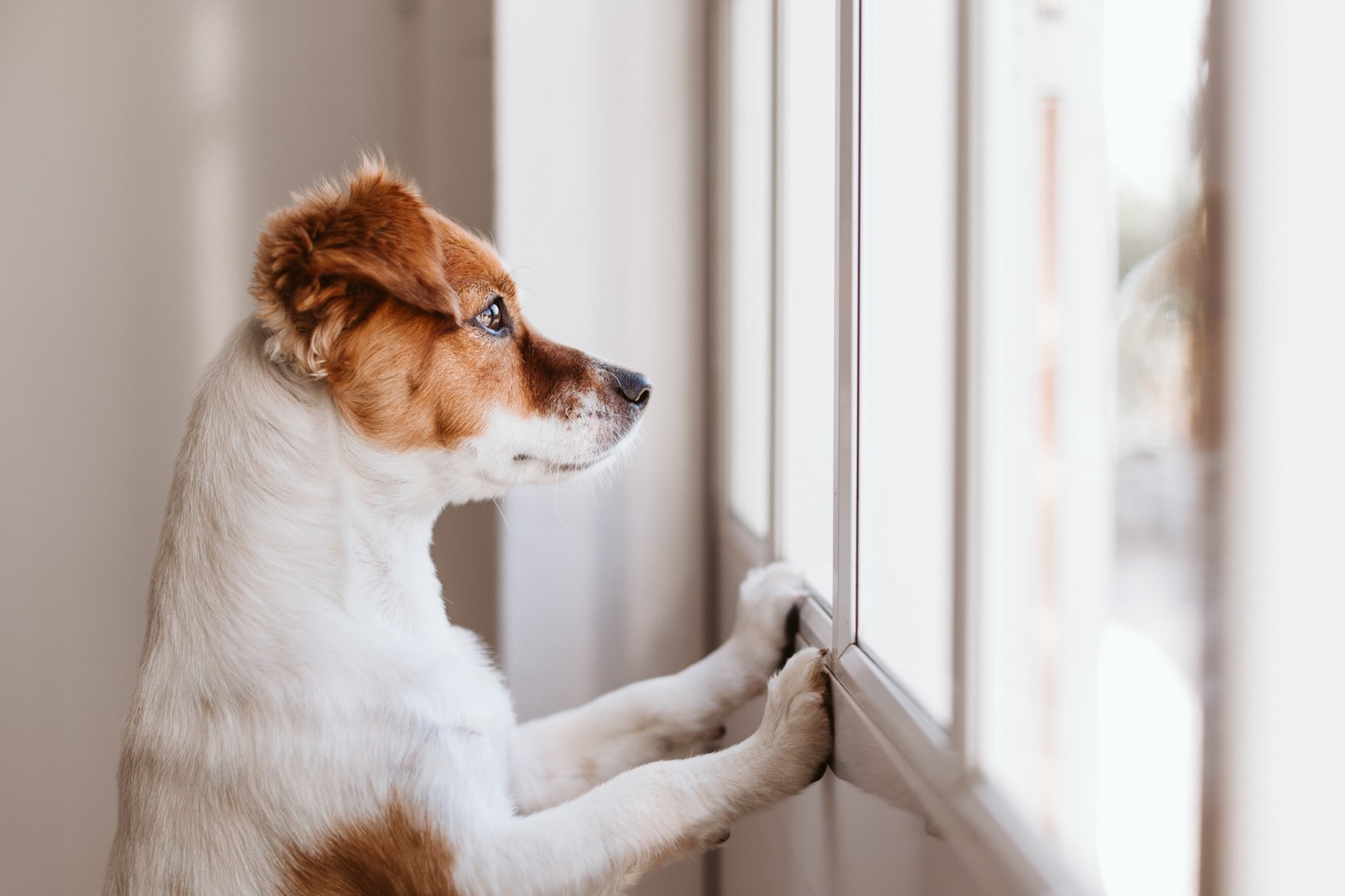
Your dog destroys things when you leave. They bark for hours on end. They have accidents despite being perfectly housetrained for years. Is it separation anxiety - or something else entirely? According to a study published in the Journal of Veterinary Behavior, an estimated 20-40% of dogs seen by veterinary behaviorists suffer from separation-related problems. But many cases of destructive behavior are misdiagnosed, leading to ineffective treatments and continued suffering for both dogs and their owners.
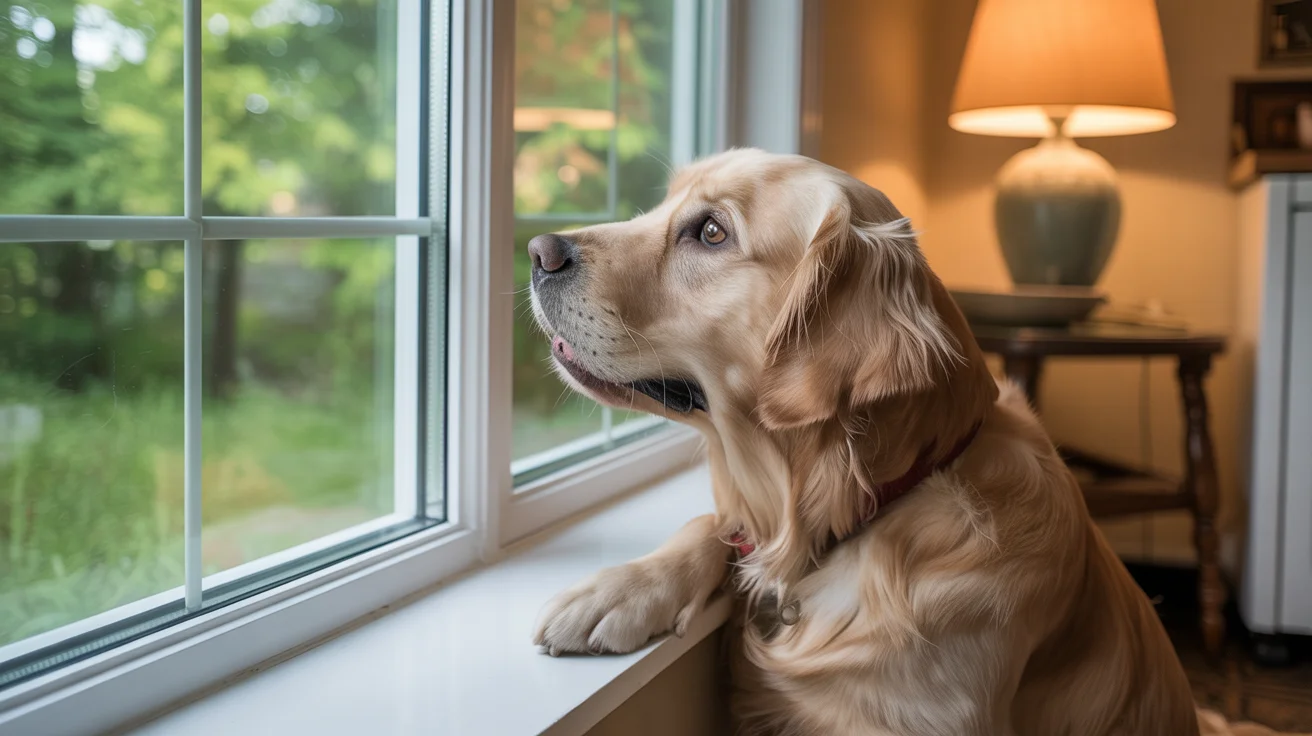
Dogs with separation anxiety often fixate on windows and exits, anxiously awaiting their owner's return
This comprehensive guide will help you understand what true separation anxiety looks like, distinguish it from other behavioral issues, identify the underlying causes, and discover evidence-based solutions that actually work - including how professional pet care can be a crucial part of your dog's recovery plan.

What Exactly IS Separation Anxiety?
Separation anxiety is not misbehavior, spite, or a lack of training. It's a genuine panic disorder - the canine equivalent of a panic attack that occurs when dogs are separated from their primary attachment figure (usually their owner). According to the ASPCA, dogs with separation anxiety experience genuine psychological distress, complete with physiological stress responses including elevated cortisol levels, increased heart rate, and activation of the sympathetic nervous system.
Dr. Nicholas Dodman, professor emeritus at Tufts University's Cummings School of Veterinary Medicine and author of The Dog Who Loved Too Much, describes separation anxiety as "one of the most common behavioral problems in dogs, yet one of the most misunderstood." The condition exists on a spectrum from mild unease to severe panic, and understanding where your dog falls on this spectrum is crucial for effective treatment.
The Science Behind Separation Anxiety
Research from the Companion Animal Psychology blog summarizing peer-reviewed studies shows that separation anxiety involves neurobiological changes similar to human anxiety disorders:
- Cortisol elevation: Dogs with separation anxiety show significantly higher cortisol (stress hormone) levels when owners depart
- Amygdala activation: Brain imaging studies reveal heightened activity in the amygdala, the brain's fear center
- Attachment dysregulation: Affected dogs have difficulty forming secure attachments and regulating their emotional response to separation
- Learned panic response: Over time, departure cues (keys jingling, putting on shoes) become conditioned triggers for anxiety
📊 Key Statistics on Canine Separation Anxiety
- 17-29% of dogs show some signs of separation-related behavior problems (Journal of Veterinary Behavior, 2020)
- 50% increase in separation anxiety cases reported by veterinary behaviorists post-pandemic (AVMA, 2021)
- 14% of separation anxiety cases result in dogs injuring themselves during escape attempts
- Separation anxiety is a leading cause of owner relinquishment to shelters
Recognizing True Separation Anxiety: The Real Signs
Not all destructive behavior indicates separation anxiety. The VCA Animal Hospitals identify several hallmark signs that distinguish true separation anxiety from other behavioral issues:
Primary Symptoms (Must Be Present)
- Distress occurs ONLY when alone: The key diagnostic criterion. If your dog shows these behaviors when you're home, it's likely not separation anxiety.
- Symptoms begin within 30 minutes of departure: True separation anxiety typically manifests immediately after owners leave, not hours later.
- Distress focuses on departure/absence: The anxiety is specifically triggered by separation from the owner, not general nervousness.
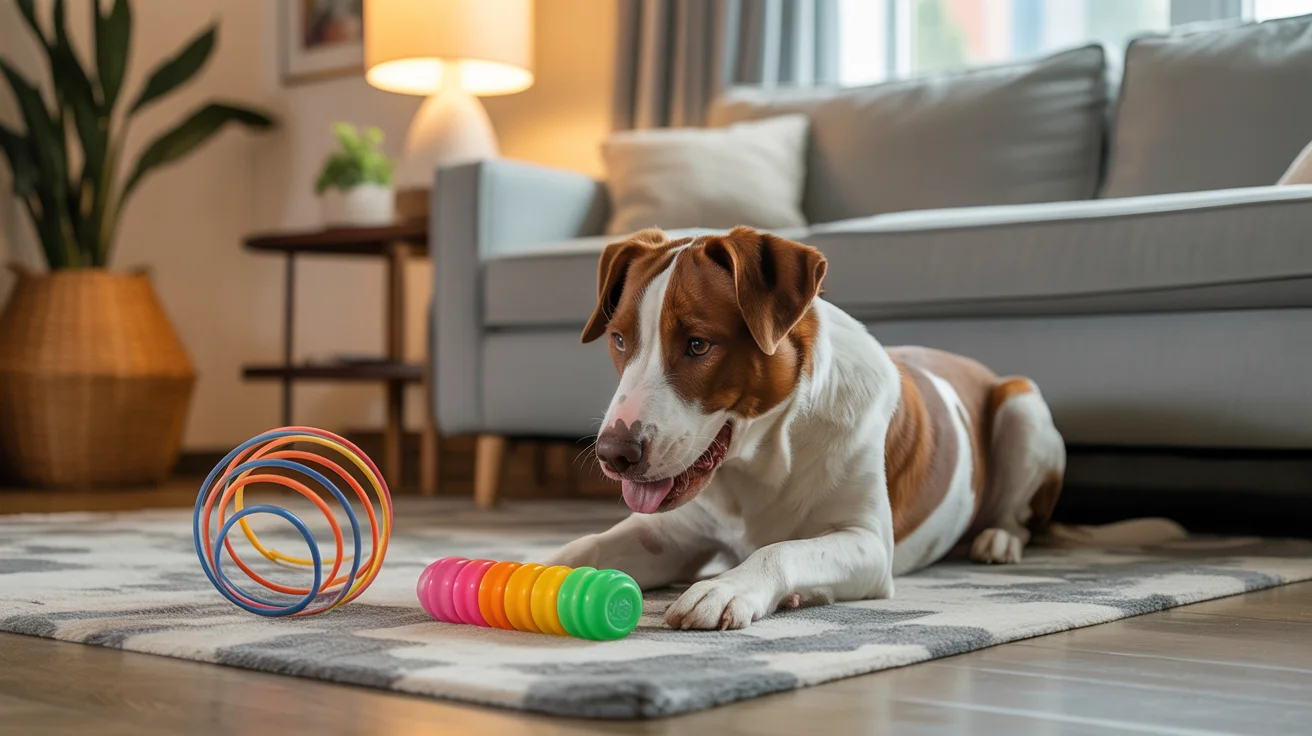
Puzzle toys and enrichment activities can help dogs cope with alone time
Common Behavioral Signs
- Destructive behavior targeting exits: Scratching at doors, chewing windowsills, digging at doorframes - attempts to escape and reunite with the owner. According to the American Kennel Club, this is one of the most reliable indicators.
- Excessive vocalization: Barking, howling, or whining that begins shortly after departure and may continue for extended periods. Neighbors often report this before owners realize the extent.
- House soiling: Urination or defecation indoors despite being fully housetrained. This is a stress response, not a training failure.
- Pacing and restlessness: Repetitive walking in fixed patterns, inability to settle, circling near exits.
- Excessive drooling or panting: Physical manifestations of psychological stress.
- Escape attempts: Sometimes resulting in broken teeth, damaged nails, or other self-injury from desperate attempts to break through barriers.
- Anorexia when alone: Refusing to eat treats, food puzzles, or meals when the owner is absent.
Pre-Departure Anxiety Signs
Dogs with separation anxiety often show anticipatory anxiety before you even leave:
- Following you from room to room constantly
- Becoming agitated when you pick up keys, put on shoes, or perform other departure rituals
- Trembling, tucking tail, or showing whale eye when you prepare to leave
- Attempting to block the door or prevent you from leaving
- Rapid breathing or excessive lip licking as you prepare to depart
What's NOT Separation Anxiety: Common Misdiagnoses
Many behaviors that look like separation anxiety have entirely different causes - and therefore require different solutions. Misdiagnosis leads to ineffective treatment and prolonged suffering. Here's how to tell the difference:
Boredom and Insufficient Exercise
Signs it's boredom, not anxiety:
- Destructive behavior is random (not focused on exits)
- Dog seems relaxed when you return, not frantically relieved
- Behavior occurs whether you're home or away
- Dog is content with toys or activities when alone initially
- Adequate exercise significantly reduces the behavior
Solution: Increase daily exercise and mental stimulation. The Humane Society recommends 30-60 minutes of exercise plus mental enrichment for most dogs. A midday dog walking visit can make a significant difference for dogs home alone during work hours.
Incomplete Housetraining
Signs it's a training issue:
- Accidents occur whether you're home or away
- No other signs of anxiety present
- Dog is young, newly adopted, or recently relocated
- Accidents happen in consistent spots (not random stress elimination)
Solution: Return to housetraining basics with more frequent bathroom breaks and positive reinforcement.
Adolescent Chewing (6-18 months)
Signs it's adolescence:
- Dog is between 6 months and 2 years old
- Chewing occurs on items throughout the house, not just exits
- Dog chews even when you're in another room (not just when gone)
- Teething-related preferences for certain textures
Solution: Provide appropriate chew outlets, crate train, and puppy-proof the environment. This phase typically resolves with maturity.
Medical Issues
The Merck Veterinary Manual emphasizes that sudden-onset behavioral changes should always prompt a veterinary exam to rule out:
- Urinary tract infections (causing house soiling)
- Cognitive dysfunction in senior dogs
- Pain-related behavioral changes
- Medication side effects
- Gastrointestinal issues
⚠️ When to See a Veterinarian First
Before assuming behavioral causes, consult your vet if your dog shows sudden behavioral changes (especially in older dogs), house soiling with no previous issues, excessive water consumption or changes in appetite, lethargy or reduced activity levels, or any signs of pain or discomfort. Many medical conditions can mimic separation anxiety symptoms.
What Causes Separation Anxiety? Understanding the Risk Factors
Understanding what triggers separation anxiety helps both prevention and treatment. Research has identified several contributing factors:
1. Major Life Changes
According to PetMD, significant life disruptions are the most common triggers:
- Change in family schedule: Owner returning to office after working from home (extremely common post-pandemic)
- Moving to a new home: Loss of familiar environment and scents
- Change in household composition: Death, divorce, child leaving for college, new baby
- Being rehomed or adopted: Shelter dogs have significantly higher rates of separation anxiety
- Loss of a companion animal: Death of another pet in the household
2. History of Abandonment or Rehoming
A 2020 study in PLOS ONE found that dogs with a history of multiple rehomings show significantly higher rates of separation-related behaviors. Shelter dogs and rescue dogs are particularly vulnerable because:
- They've experienced the trauma of abandonment
- Previous attachments were abruptly severed
- They may have spent significant time in a shelter environment
- Early life experiences are often unknown
3. Early Life Experiences
Puppies separated from their mothers too early (before 8 weeks) or those lacking proper socialization during the critical developmental period (3-14 weeks) are at higher risk. The AVMA notes that early experiences significantly shape a dog's ability to cope with stress later in life.
4. Breed Predisposition
While any dog can develop separation anxiety, certain breeds appear more prone:
- Breeds bred for close human work: German Shepherds, Border Collies, Australian Shepherds
- Companion breeds: Cavalier King Charles Spaniels, Bichon Frises, Italian Greyhounds
- Breeds with strong pack instincts: Labrador Retrievers, Vizslas, Weimaraners
5. Hyper-Attachment
Dogs that follow their owners constantly ("velcro dogs"), sleep only in contact with owners, and show distress when owners leave the room - even to use the bathroom - are at higher risk of developing separation anxiety.
Evidence-Based Solutions That Actually Work
Treatment for separation anxiety requires patience, consistency, and often a multi-pronged approach. Here are the interventions with the strongest scientific support:
1. Gradual Desensitization (The Gold Standard)
The most effective long-term treatment is systematic desensitization - gradually exposing your dog to departures at intensities low enough not to trigger panic. The Certification Council for Professional Dog Trainers considers this the foundation of separation anxiety treatment:
- Start extremely short: Practice departures lasting only seconds - literally walking out the door and immediately returning
- Progress incrementally: Increase absence duration by tiny increments (30 seconds at a time) over weeks or months
- Stay below threshold: If your dog shows anxiety signs, you've progressed too quickly. Go back to shorter durations.
- Desensitize departure cues: Practice picking up keys, putting on shoes, and other departure rituals without actually leaving
- Practice low-key departures and arrivals: No dramatic goodbyes or excited reunions - these heighten the emotional significance of departures
✅ Sample Desensitization Protocol
Week 1: Practice 10 departures daily lasting 5-10 seconds each
Week 2: Increase to 30-60 seconds if no anxiety signs
Week 3-4: Work up to 2-5 minutes
Week 5+: Continue gradual increases, potentially reaching 15-30 minutes
Note: Progress varies dramatically by dog. Some dogs need months to work up to hour-long absences. Patience is essential.
2. Break Up the Day with Professional Dog Walking
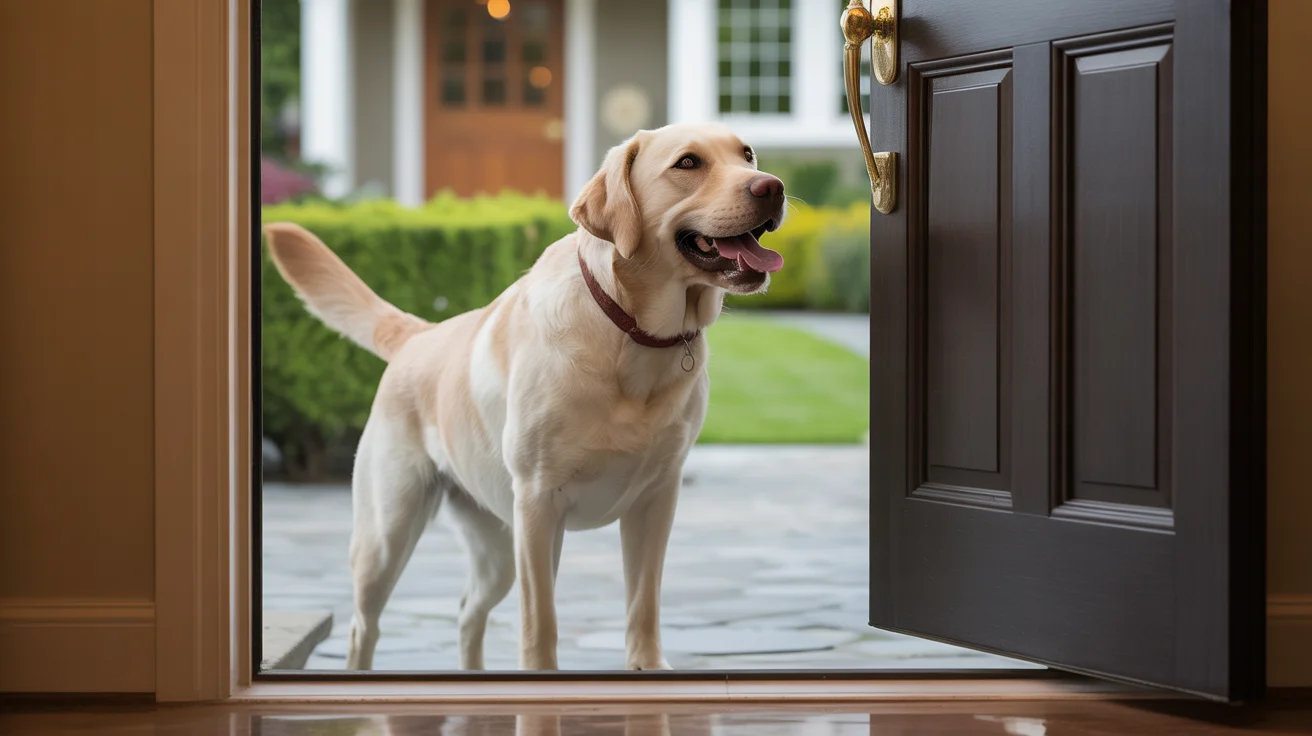
Regular visits from a familiar walker create predictable breaks in the day and reduce anxiety
For dogs that can't yet handle 8+ hour work days alone, professional dog walking provides a crucial intervention:
- Breaks up isolation: A midday visit means no stretch exceeds 4-5 hours, staying within many dogs' tolerance threshold
- Exercise reduces anxiety: Physical activity depletes stress hormones and promotes relaxation. Research confirms that adequate exercise is correlated with fewer separation-related behaviors.
- Predictability creates security: Knowing that relief is coming at a consistent time helps anxious dogs cope
- Consistent handler builds trust: The same familiar face each day becomes a source of comfort, not stress
At 203 Pet Service, we assign the same salaried W-2 team member to your dog every day. This consistency is crucial for anxious dogs who need predictability and familiar relationships to feel secure. Our team members are trained to recognize anxiety signs and can report observations that help you track your dog's progress.
3. Environmental Enrichment
Making alone time more engaging can help dogs cope:
- Food puzzles and stuffed Kongs: Give your dog a special treat that ONLY appears when you leave, creating a positive association with departures. Kong Company offers detailed stuffing recipes.
- Background noise: Music or TV can mask triggering sounds (neighbor's car, mail delivery) and provide comfort. Studies suggest classical music has calming effects on dogs.
- Calming pheromones: Adaptil (synthetic dog appeasing pheromone) diffusers have shown modest benefits in clinical trials
- Comfort items: Unwashed clothing with your scent can provide reassurance
- Safe space: Some dogs feel more secure in a covered crate, exercise pen, or small room (but NEVER crate an anxious dog who panics in confinement - this can cause injury)
4. Counter-Conditioning Departure Cues
Change your dog's emotional response to departure signals:
- Pick up keys randomly throughout the day, then put them down without leaving
- Put on shoes and coat, sit down and watch TV
- Pair departure cues with high-value treats
- Practice fake departures dozens of times daily until cues no longer trigger anxiety
5. Medication (When Appropriate)
For moderate to severe cases, medication prescribed by a veterinarian or veterinary behaviorist can be life-changing. The American Veterinary Society of Animal Behavior supports the use of medication alongside behavior modification for anxiety disorders:
- SSRIs: Fluoxetine (Reconcile) is FDA-approved for canine separation anxiety. Takes 4-6 weeks to reach full effectiveness.
- Tricyclic antidepressants: Clomipramine (Clomicalm) is another FDA-approved option
- Short-term anti-anxiety medications: Trazodone, alprazolam, or sileo for acute situations
- Important: Medication works best when combined with behavior modification - it's not a standalone solution
❌ What NOT to Do
- Never punish anxious behavior: This increases fear and makes anxiety worse
- Don't get another dog as a "fix": Separation anxiety is about human attachment, not loneliness. A second dog usually doesn't help.
- Don't crate a panicking dog: Dogs can injure themselves trying to escape crates
- Don't use anti-bark devices: Punishing vocalizations increases underlying anxiety
- Don't rush the process: Flooding (forcing long exposures) worsens anxiety
How 203 Pet Service Helps Dogs with Separation Anxiety
For over 22 years, we've worked with Fairfield County families whose dogs struggle with separation anxiety. Our approach is designed specifically to support anxious dogs:
- Same salaried W-2 team member every day: Consistency is crucial for anxious dogs. Your dog builds a relationship with one trusted person, not a rotating cast of strangers.
- Predictable schedule: We arrive at the same time daily, creating the reliability anxious dogs need to feel secure.
- Professional training: Our team members are trained to recognize anxiety signs, handle anxious dogs with calm confidence, and provide detailed feedback about your dog's behavior.
- Exercise that reduces anxiety: Adequate physical activity depletes stress hormones and promotes calm behavior at home.
- Communication: We report any changes in your dog's behavior that might indicate progress or setbacks in their anxiety management.
What to Expect When Working With Us
- We meet your dog and learn about their specific anxiety patterns and triggers
- We assign a consistent team member who will be your dog's regular walker
- We establish a reliable schedule that creates predictable breaks in your dog's day
- Our team member builds a relationship with your dog over time, becoming a source of comfort
- We provide ongoing communication about your dog's behavior and progress
🐾 The 203 Pet Service Difference
Our average employee tenure exceeds 10 years because we pay fair living wages to salaried W-2 team members. This stability means your anxious dog sees the same trusted face every day - not different gig workers who might trigger additional anxiety. That consistency is invaluable for dogs working through separation issues.
When to Seek Professional Help
While mild separation anxiety can often be addressed with the strategies above, you should consult a professional if:
- Your dog is injuring themselves during escape attempts
- Destructive behavior is severe or escalating
- Your dog refuses all food when alone (won't touch Kongs, treats, etc.)
- You're receiving noise complaints or facing housing issues
- DIY approaches haven't helped after 4-8 weeks of consistent effort
- Your dog's anxiety is affecting your own mental health or quality of life
Types of Professionals Who Can Help
- Veterinary Behaviorists (DACVB): Veterinarians with specialized training in animal behavior who can prescribe medication and create comprehensive treatment plans
- Certified Applied Animal Behaviorists (CAAB): Professionals with graduate training in animal behavior
- Separation Anxiety Specialists (CSAT): Dog trainers with specialized certification in separation anxiety protocols
Frequently Asked Questions
Can separation anxiety be cured?
Many dogs show significant improvement with proper treatment, and some achieve full resolution. However, severely affected dogs may always need management strategies. The goal is helping your dog cope comfortably, not necessarily "curing" the underlying tendency toward anxiety.
How long does treatment take?
Mild cases may improve within weeks with consistent effort. Moderate to severe cases typically require months of desensitization training. Medication can speed progress but isn't an instant fix.
Will my dog outgrow separation anxiety?
Unfortunately, no. Without intervention, separation anxiety typically persists or worsens. It's not a phase dogs outgrow.
Should I get another dog to keep my anxious dog company?
Usually not. Separation anxiety is about attachment to the human owner, not loneliness. Most dogs with separation anxiety show the same distress whether alone or with another dog present.
Is crate training helpful for separation anxiety?
It depends. Some dogs find crates comforting. Others panic in confinement, potentially injuring themselves. Never force an anxious dog into a crate - this can cause serious harm.
Take the First Step
Separation anxiety is challenging, but it's manageable. With patience, consistency, and the right support, most dogs can learn to cope with alone time. Whether you're implementing a desensitization program, seeking professional help, or simply need reliable midday visits to break up your dog's day, we're here to support you.
Ready to discuss how we can help your anxious dog? Call us at (203) 682-6443 or schedule a consultation. Our salaried W-2 team members have experience working with anxious dogs and can become a consistent, trusted presence in your dog's life.
For more resources on dog behavior and training, explore our other blog posts or check out these authoritative sources: