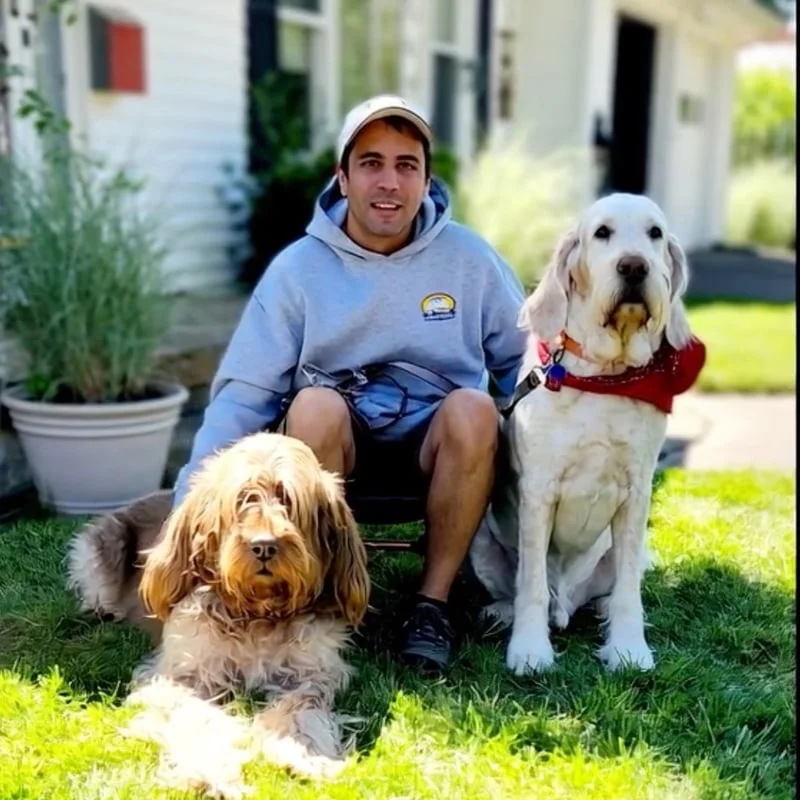
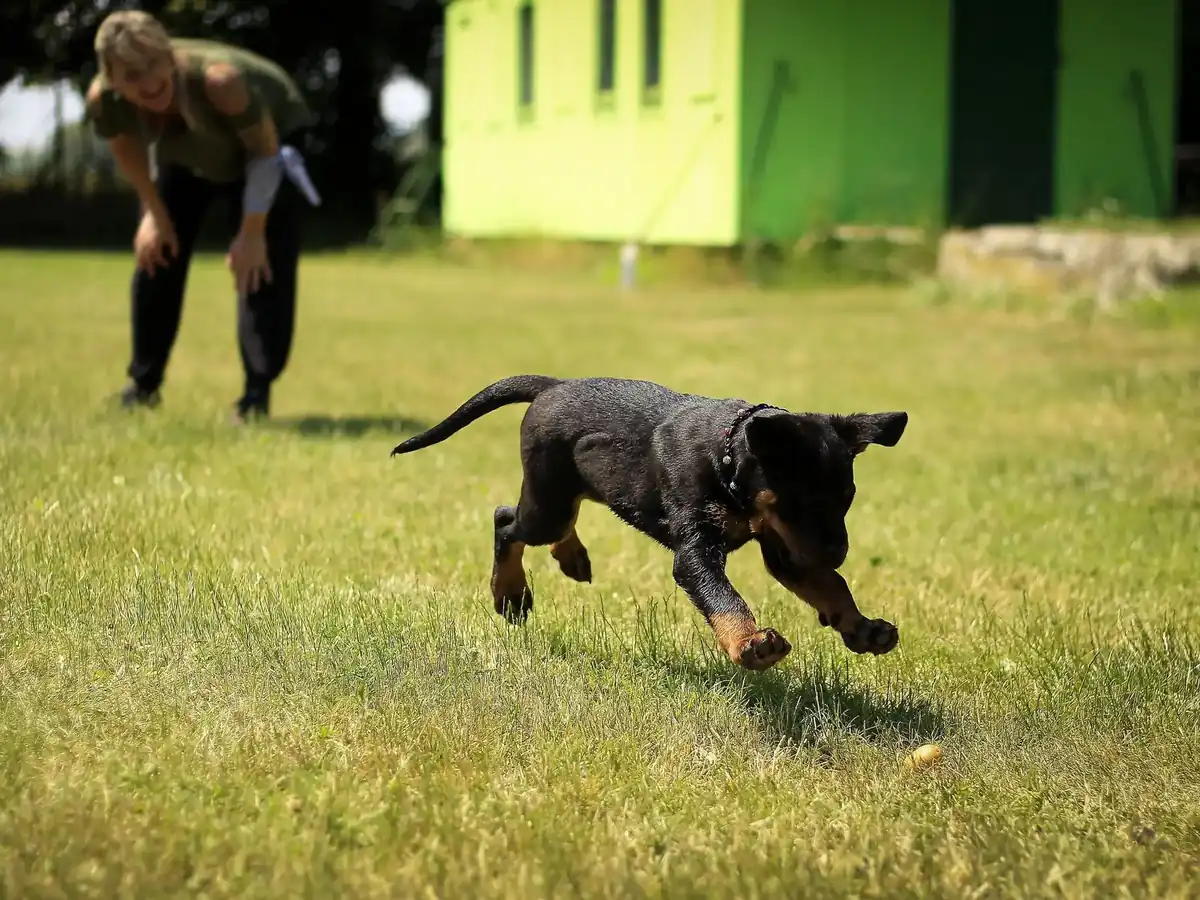
As an ABC certified dog trainer with 20+ years of experience in Connecticut, I've seen how proper training transforms the relationship between pets and their families. Training isn't about dominance or control - it's about communication, safety, and creating a happy, well-adjusted pet who can participate fully in family life.
Why Training Matters
Basic training provides essential benefits:
- Safety: Prevents dangerous situations (running into traffic, aggressive behavior)
- Freedom: Well-trained dogs can go more places and have more experiences
- Bonding: Training builds trust and communication
- Mental stimulation: Learning exercises your dog's brain
- Stress reduction: Knowing what's expected reduces anxiety
- Problem prevention: Training prevents behavioral issues before they start
Training Fundamentals
Positive Reinforcement
This is the only training method I recommend. It's based on rewarding desired behaviors rather than punishing unwanted ones:
- More effective: Pets learn faster when learning is fun
- Builds confidence: Rather than creating fear
- Strengthens bond: You become associated with good things
- Teaches what TO do: Not just what NOT to do
Timing is Everything
Rewards must come within 2-3 seconds of the desired behavior. This is why clicker/marker training is so effective - it marks the exact moment.
Consistency Matters
- Use the same commands every time
- Everyone in the household must use the same rules
- Practice daily, even after behaviors are learned
- Maintain standards - don't accept poor behavior "just this once"
Keep Sessions Short
- 5-10 minutes for puppies
- 10-15 minutes for adult dogs
- Multiple short sessions are better than one long session
- End on a positive note

Essential Commands Every Dog Should Know
1. Sit
Why it matters: The foundation for all other training. Useful for greetings, before meals, at doors, and for impulse control.
How to teach it:
- Hold a treat near your dog's nose
- Move your hand up, allowing their head to follow the treat and causing their bottom to lower
- Once in sitting position, say "Sit" and give the treat
- Repeat daily until they sit reliably on command
Common mistakes:
- Pushing their bottom down (let them figure it out)
- Saying the command before they've learned the action
- Inconsistent treat delivery
2. Stay
Why it matters: Prevents door dashing, keeps dogs safe near streets, creates calmness and impulse control.
How to teach it:
- Ask your dog to sit
- Hold up your hand in a "stop" gesture and say "Stay"
- Wait just 2-3 seconds
- Return, reward, and release with a release word like "Okay!"
- Gradually increase duration before increasing distance
Progression:
- Week 1: Focus on duration (work up to 30 seconds)
- Week 2: Add distance (one step back, then two, etc.)
- Week 3: Add distractions
- Week 4: Combine all three (duration, distance, distractions)
3. Come/Recall
Why it matters: This is the most important command for safety. A reliable recall can save your dog's life.
How to teach it:
- Start indoors with no distractions
- Say your dog's name enthusiastically, followed by "Come!"
- Use treats, toys, or run away to make it a game
- When they reach you, have a party! Treats, praise, everything good
- Never punish after recall - even if they did something wrong first
Building reliability:
- Practice frequently in various locations
- Use a long training leash (15-30 feet) for outdoor practice
- Never call your dog for something unpleasant (nail trims, baths, etc.)
- Occasionally reward with something extra special
- Practice "emergency recall" with an unusual sound and AMAZING rewards
4. Down
Why it matters: Calming command useful at restaurants, vet visits, and for general impulse control. The "down" position is naturally calming for dogs.
How to teach it:
- Start with dog in "sit" position
- Hold treat in front of nose, move hand down toward ground
- Their body should follow, sliding into down position
- Say "Down" once they're in position and deliver treat
- If struggling, slide treat along ground away from them, or try on stairs (easier for dog to lower front end)
5. Leave It
Why it matters: Prevents dogs from eating dangerous items, chasing wildlife, or picking up trash on walks. Potentially life-saving.
How to teach it:
- Put treat in closed fist
- Dog will sniff, lick, paw at hand - ignore this completely
- The moment they pull away, mark (click or say "Yes!") and reward from other hand
- Repeat until they immediately pull back when you present fist
- Add verbal "Leave it" command
- Progress to treats on floor, then on walks with dropped items
6. Drop It
Why it matters: Gets dogs to release items already in their mouth. Essential for safety and preventing resource guarding.
How to teach it:
- Let dog take a lower-value toy
- Offer high-value treat next to their nose
- As they drop toy to eat treat, say "Drop it"
- Give treat, then return toy (sometimes)
- Gradually phase out treat exchanges
Important note:
Never chase a dog who has something they shouldn't. This makes it a game. Instead, use "drop it" or trade for something better.
7. Loose Leash Walking
Why it matters: Makes walks enjoyable rather than wrestling matches. Essential for daily exercise.
How to teach it:
- Start indoors or in boring outdoor space
- Hold treats at your side where you want dog to walk
- Take a few steps, deliver treat if they're at your side
- If they pull, stop walking immediately
- Resume when leash is loose
- Practice "penalty yards" - when they pull, backup several steps
Tips for success:
- Be patient - this takes time
- Allow sniffing breaks as rewards
- Use front-clip harness to reduce pulling effectiveness
- Practice in gradually more distracting environments
Beyond Basic Commands
Impulse Control Games
"Wait"
Similar to stay but for shorter durations at doorways, before meals, or during play. Teaches self-control.
"Touch" (Target Training)
Teaching dog to touch their nose to your hand. Useful for:
- Getting dogs to come to you
- Moving dogs through scary areas
- Redirecting attention
- Foundation for tricks
"Watch Me"
Teaching dog to make eye contact on cue. Essential for:
- Regaining attention during distractions
- Passing other dogs calmly
- Pre-command attention
Addressing Common Behavior Issues
Jumping on People
Solution: Train incompatible behavior. Dogs can't jump and sit simultaneously:
- Require "sit" before greeting
- Turn away if they jump
- Only reward (attention, petting) when all four paws are on ground
- Have visitors follow the same rules
Excessive Barking
Solution: Teach "quiet" command:
- Allow 2-3 barks (alerting is natural)
- Say "Quiet" calmly
- Wait for even 2 seconds of silence
- Reward immediately
- Gradually increase duration of quiet
Leash Reactivity
Solution: Counter-conditioning and desensitization (complex - consider professional help):
- Identify trigger distance (how close before reaction)
- Work at distance where dog notices trigger but doesn't react
- Pair trigger appearance with high-value treats
- Gradually decrease distance over weeks/months
Training Tools
Recommended:
- Flat collar or martingale: For ID tags and walking
- Front-clip harness: Reduces pulling
- 6-foot leash: Standard training length
- Long line (15-30 feet): For recall training
- Treat pouch: Keeps rewards accessible
- Clicker: For precise marking of behavior
- High-value treats: Small, soft, smelly
NOT Recommended:
- Prong collars
- Shock collars
- Choke chains
These create fear and can cause physical harm. They're unnecessary with proper training.
Training Throughout Life
Puppies (8 weeks - 6 months)
Critical socialization period:
- Focus on positive experiences
- Puppy kindergarten classes
- Short, fun training sessions
- House training
- Bite inhibition
Adolescence (6 months - 2 years)
The "teenage" phase:
- Maintain consistency - they'll test boundaries
- Continue socialization
- Increase exercise
- Practice impulse control
- Don't give up - this phase passes!
Adult Dogs
- Continue practicing commands
- Learn new tricks for mental stimulation
- Address any behavioral issues
- Remember: you can teach an old dog new tricks!
Senior Dogs
- Maintain training to keep mind sharp
- Adjust expectations for physical limitations
- Focus on comfort and enrichment
- Teaching simple new behaviors prevents cognitive decline
When to Seek Professional Help
Consider a professional trainer if you're dealing with:
- Aggression toward people or animals
- Severe fear or anxiety
- Resource guarding
- Separation anxiety
- You're feeling overwhelmed or frustrated
- Your training isn't working after consistent effort
Look for trainers who:
- Use positive reinforcement methods
- Are certified (CPDT-KA, ABC, etc.)
- Provide references
- Continue their education
- Will let you observe a class before enrolling
Training in Our Walking Services
At 203 Pet, we reinforce training during every walk:
- Practice basic commands before and during walks
- Reward polite leash walking
- Use consistent commands and techniques
- Communicate with you about your dog's progress
- Can work on specific training goals you've set
Our ABC certified dog trainer (that's me!) ensures your dog gets consistent, professional training reinforcement during their time with us.
Conclusion
Training isn't a task to complete - it's an ongoing relationship and conversation with your dog. The basics covered here provide the foundation, but training can and should continue throughout your dog's life.
Remember that every interaction is training. Your dog is always learning from you, whether you realize it or not. Make sure you're teaching what you want them to learn!
Training requires patience, consistency, and a sense of humor. Some days will be frustrating. That's normal. Take breaks when needed, celebrate small victories, and remember that the bond you're building through training is worth every moment of effort. Need professional help? 203 Pet offers professional dog training services with our ABC certified trainer. Contact us today.
Video: Professional dog trainer demonstrates how to teach essential basic commands including sit, stay, come, down, and leave it using positive reinforcement methods.