
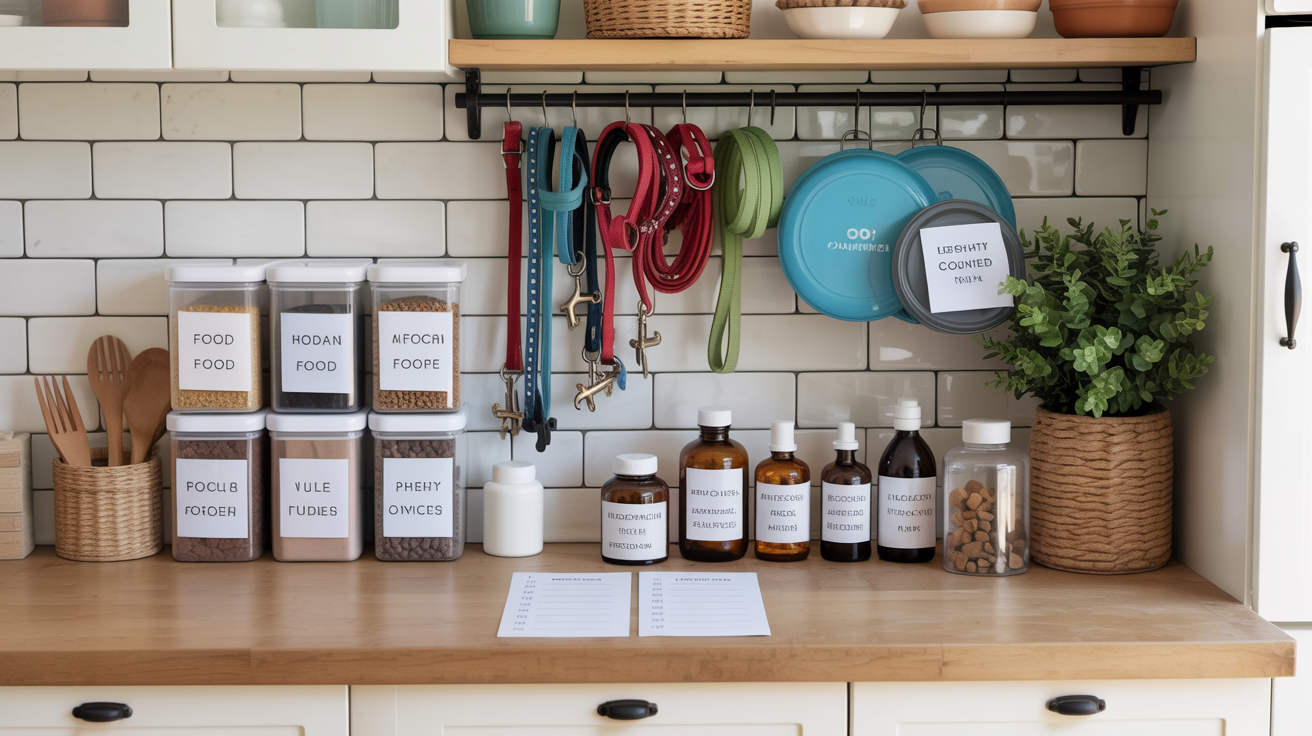
You've booked your vacation, found a trusted pet sitter, and you're almost ready to go. But before you hand over those keys, proper preparation makes the difference between a stress-free trip and worried phone calls from the beach. After 22 years of caring for Fairfield County pets, we've learned exactly what information and preparation leads to smooth, successful pet sitting visits. This comprehensive checklist ensures nothing gets forgotten.
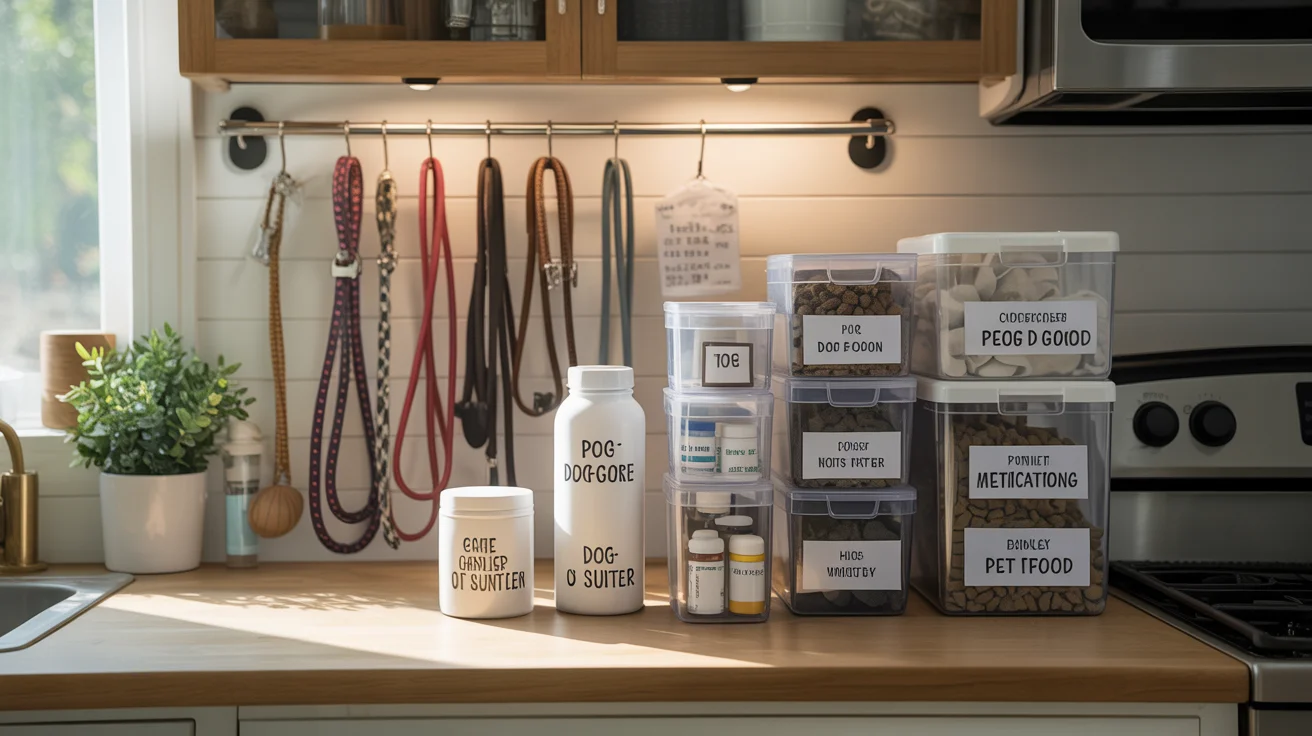
Organized supplies make pet sitting visits efficient and ensure nothing gets missed
Whether this is your first time using a pet sitter or you're a seasoned traveler, this guide covers everything from essential information sheets to safety preparations that professional pet sitters appreciate. Print it out, check items off, and leave for your trip with complete peace of mind.

Section 1: Essential Information Your Pet Sitter Needs
The foundation of successful pet sitting is information. According to Pet Sitters International, the leading cause of pet sitting problems is incomplete information from pet owners. Don't assume anything is obvious - write it all down.
Pet Profile Sheet
Create a comprehensive profile for each pet that includes:
- Basic identification: Full name, nicknames they respond to, microchip number, photo (in case of emergency)
- Physical description: Breed, color, weight, distinguishing marks (helpful if pet escapes)
- Medical information: Allergies, chronic conditions, current medications, vaccination status
- Behavioral notes: Fears, triggers, quirks, things that calm them, favorite spots to hide
- Personality summary: Friendly with strangers? Shy? Takes time to warm up? Vocal?

Written instructions eliminate confusion and ensure consistent care
Feeding Instructions
Be specific - "some kibble" isn't enough. Include:
- Exact amounts: "1/2 cup" or "3/4 of the small measuring cup in the container"
- Exact times: "7 AM and 5 PM" not "morning and evening"
- Feeding location: Where do they eat? Do they need separation from other pets?
- Water routine: How often to refresh? Ice cubes? Special bowl placement?
- Treats: What's allowed, what's not, maximum per day
- Table food policy: Absolutely none? Specific allowed items?
- Food storage: Where's it kept? Refrigeration needed?
💡 Pro Tip: Pre-Portion Meals
Pre-portioning meals in zip-lock bags or containers labeled with day/time eliminates any guesswork and ensures your pet gets exactly the right amount. This is especially important for pets on restricted diets or multiple pets with different feeding requirements.
Medication Instructions
According to the American Veterinary Medical Association, medication errors are a leading cause of pet health emergencies. Be extremely detailed:
- Medication name: Both brand and generic if possible
- Dosage: Exact amount (1 pill, 0.5 ml, etc.)
- Timing: Specific times, with or without food
- Administration method: Hidden in treat? Pill pocket? Direct? Liquid?
- What if they refuse: Backup methods for difficult pets
- Refill information: Will refills be needed? Pharmacy number?
- Missed dose protocol: What to do if a dose is missed?
Exercise and Play Requirements
The ASPCA emphasizes that exercise needs vary dramatically by breed, age, and individual dog. Provide specific guidance:
- Walk schedule: Times, duration, preferred routes
- Walk behavior: Pulls? Reactive to other dogs? Sniff-walker vs. brisk walker?
- Bathroom habits: Where do they prefer to go? How often?
- Playtime: Favorite toys, games, activities
- Off-leash areas: Are they allowed? Which ones? Recall reliability?
- Weather limitations: Heat sensitivity? Cold intolerance? Rain refusal?
Section 2: Emergency Information
Hope for the best, prepare for the worst. Complete emergency information allows your pet sitter to act quickly if something goes wrong.
Emergency Contact List
Provide these contacts in order of priority:
- Your contact information: Cell phone, hotel/destination number, email, best times to reach you
- Local emergency backup: Neighbor, friend, or family member who can respond if the sitter can't reach you
- Primary veterinarian: Name, address, phone, hours of operation
- Emergency veterinary hospital: 24-hour facility name, address, phone (in Fairfield County, we recommend MedVet Norwalk for exceptional emergency care)
- Poison control: ASPCA Poison Control: (888) 426-4435 (fee applies)
Medical Authorization
This is crucial - without authorization, veterinarians may be limited in what treatment they can provide. Include:
- Written authorization: Statement authorizing the pet sitter to approve emergency veterinary care
- Spending limit: Maximum amount they can authorize without contacting you first (be realistic - emergencies can cost $2,000-$5,000+)
- Payment method: Credit card on file at vet? Pet insurance details? Reimbursement agreement?
- Do Not Resuscitate preferences: For senior or ill pets, clarify end-of-life wishes
⚠️ Emergency Vet Recommendations for Fairfield County
Know these facilities BEFORE an emergency:
- MedVet Norwalk - 580 Connecticut Ave, Norwalk (our top recommendation for emergency care and bedside manner)
- VCA Shoreline Veterinary Referral & Emergency Center - 895 Bridgeport Ave, Shelton
- VCA Veterinary Referral & Emergency Center - 123 West Cedar St, Norwalk
For non-emergency veterinary care, we recommend Greenfield Animal Hospital in Fairfield for their excellent general practice.
Section 3: House Information
Your pet sitter needs to navigate your home confidently. Even small details matter for efficiency and security.
Access and Security
- Key location/lockbox code: Where keys are hidden or lockbox combination
- Alarm system: Arm/disarm codes, what zones to set, what to do if triggered
- Smart home devices: Relevant codes for smart locks, cameras (disable in-home cameras for sitter privacy)
- Gate codes: For gated communities or fenced yards
- Garage door operation: Remote location or code
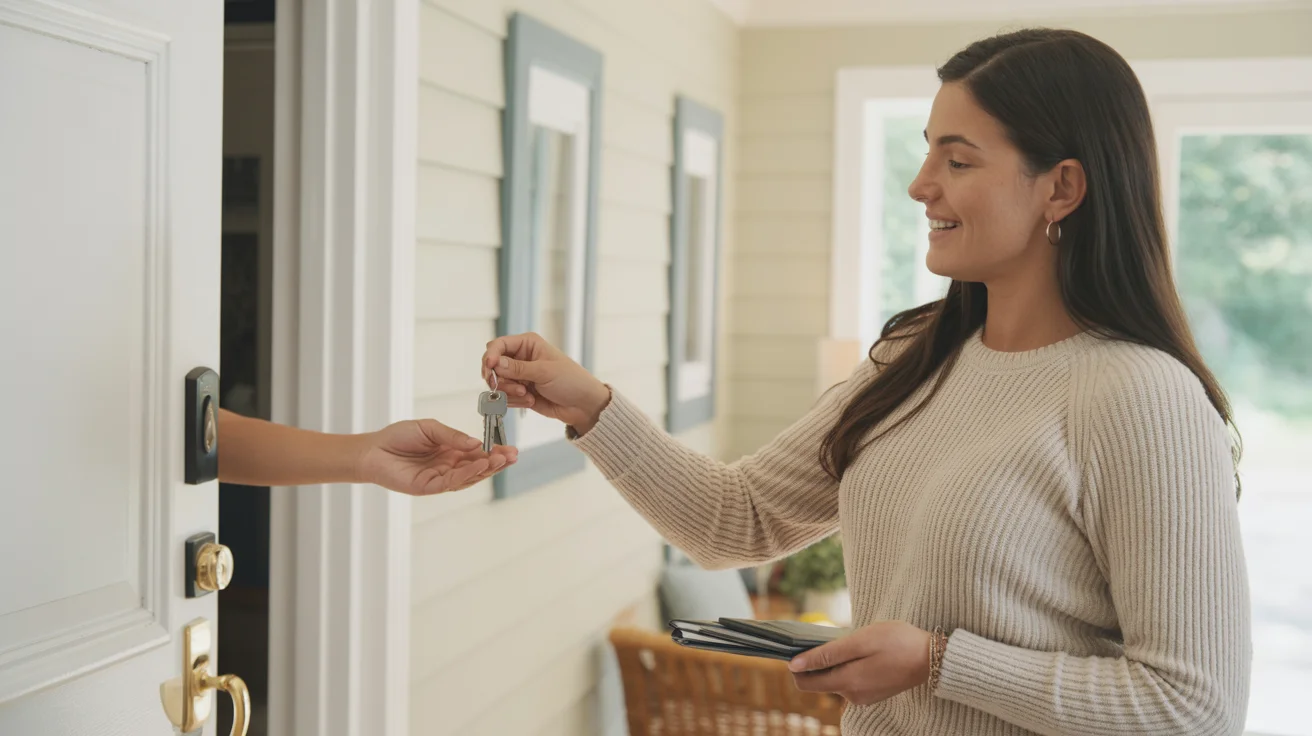
A thorough home tour ensures sitters know where everything is located
House Quirks
Every home has them - don't assume they're obvious:
- Sticky doors or locks: "Lift handle while turning" or "push firmly"
- Temperamental appliances: Thermostat quirks, finicky faucets
- Light switches: Which controls what, especially outdoor lights
- HVAC settings: Where to set thermostat, how to adjust
- Water shutoff: Location in case of emergency
- Circuit breaker: Location for electrical issues
Rooms and Areas
- Off-limits areas: Where pets aren't allowed (and why - helps sitter understand importance)
- Pet-proofed areas: Where pets can safely be confined if needed
- Outdoor areas: Fence condition, gate latches, potential escape routes
- Hiding spots: Where pets go when scared (under bed, behind couch, etc.)
Section 4: Supply Checklist
Ensure everything your pet sitter needs is accessible and well-stocked. The Humane Society recommends having 3-5 extra days of supplies beyond your planned trip length.
Food and Water Supplies
- ☐ Sufficient food (plus 3-5 day buffer)
- ☐ Measuring cups/scales for portioning
- ☐ Treats (appropriate amount set aside)
- ☐ Special foods (for medications, training)
- ☐ Clean food and water bowls
- ☐ Water filter cartridges (if used)
Medication Supplies
- ☐ All current medications (check expiration dates)
- ☐ Pill pockets or hiding treats
- ☐ Syringes or droppers for liquid medications
- ☐ Written medication schedule
- ☐ Pharmacy contact for refills
Walking and Outdoor Supplies
- ☐ Leashes (primary and backup)
- ☐ Collars with current ID tags
- ☐ Harnesses (if used)
- ☐ Waste bags (ample supply)
- ☐ Flashlight for evening walks
- ☐ Seasonal gear (coat, boots, cooling vest)
Cleaning Supplies
- ☐ Paper towels
- ☐ Enzyme cleaner for accidents
- ☐ Lint roller for furniture
- ☐ Extra litter (for cats)
- ☐ Litter scoop and bags
Comfort Items
- ☐ Favorite toys
- ☐ Comfort blankets or beds
- ☐ Calming aids (Adaptil, anxiety wrap)
- ☐ Background noise preferences (TV channel, music)
✅ Supply Organization Tip
Create a "pet sitter station" - one location where all supplies, instructions, and emergency information are organized. Label containers clearly. This saves time during visits and ensures nothing gets overlooked.
Section 5: Safety Preparations
Before you leave, do a safety sweep of your home. The Pet Poison Helpline notes that most pet poisoning emergencies occur in the home with common household items.
Indoor Safety Check
- ☐ Toxic plants removed or out of reach (ASPCA toxic plant list)
- ☐ Chemicals secured (cleaning products, medications, pesticides)
- ☐ Trash cans secured or inaccessible
- ☐ Small objects picked up (choking hazards)
- ☐ Electrical cords secured or covered
- ☐ Toilet lids down (if pet is a drinker)
- ☐ Blind cords secured (strangulation hazard)
- ☐ Doors to off-limits rooms closed or secured
Outdoor Safety Check
- ☐ Fence integrity checked (no gaps, loose boards)
- ☐ Gate latches functional and secure
- ☐ Toxic plants/mulch removed from accessible areas
- ☐ Pool/pond secured (if applicable)
- ☐ Garden chemicals stored safely
- ☐ Sharp tools or equipment stored
Temperature and Environment
- ☐ Thermostat set to pet-comfortable temperature
- ☐ Ceiling fan directions confirmed (down in summer, up in winter)
- ☐ Backup heat/cooling plan if HVAC fails
- ☐ Humidifier/dehumidifier instructions (if used)
Section 6: Communication Protocol
Clear communication expectations prevent misunderstandings and give you peace of mind during your trip.
Update Expectations
Discuss and agree on:
- Update frequency: After each visit? Once daily? Only if there's an issue?
- Photo/video requests: Do you want photos? How many?
- Communication method: Text, email, app, phone call?
- Response expectations: When will you be available? Time zone differences?
Decision-Making Authority
Clarify what decisions the sitter can make independently:
- Minor schedule adjustments (walk timing, feeding)
- Weather-related changes (shorter walks in extreme weather)
- Veterinary decisions (what constitutes emergency vs. can wait)
- Spending authorization for supplies or care
What Requires Contact
Specify what situations require notifying you immediately:
- Any illness symptoms
- Escape or lost pet (even if quickly recovered)
- Injury of any kind
- Significant behavior changes
- Home emergencies (water leak, break-in, etc.)
Section 7: The Meet and Greet
A thorough meet and greet before your trip is essential. This is your opportunity to walk through everything in person and ensure your pet and sitter are comfortable with each other.
What to Cover
- Home tour: Walk through supply locations, quirks, security systems
- Pet introduction: Let pet and sitter interact while you're present
- Routine demonstration: Show feeding process, leash-up routine, medications
- Practice run: Have sitter do a practice visit or walk while you're still home
- Question time: Encourage sitter to ask anything unclear
Red Flags During Meet and Greet
Trust your instincts. Reconsider if the sitter:
- Seems rushed or distracted
- Doesn't take notes or ask questions
- Makes your pet visibly uncomfortable
- Dismisses your concerns or instructions
- Can't provide references or credentials
🐾 The 203 Pet Service Approach
Our meet and greets are comprehensive - we take detailed notes, meet every pet in the household, walk through your entire routine, and ensure everyone is comfortable before your first scheduled visit. Because we employ salaried W-2 team members who stay with us long-term (our average tenure exceeds 10 years), the person who does your meet and greet will be the same person caring for your pets. No surprises, no strangers.
Downloadable Checklist Summary
Here's a quick-reference version to print and check off:
Before You Leave:
- ☐ Pet profile sheet completed
- ☐ Feeding instructions written
- ☐ Medication schedule detailed
- ☐ Exercise requirements explained
- ☐ Emergency contacts listed
- ☐ Medical authorization signed
- ☐ House access arranged
- ☐ Security codes shared
- ☐ House quirks documented
- ☐ Supplies stocked (plus buffer)
- ☐ Safety check completed
- ☐ Communication protocol agreed
- ☐ Meet and greet conducted
- ☐ Payment arranged
Ready to Book Professional Pet Sitting?
Preparation takes time, but it's worth it for the peace of mind you'll have during your trip. At 203 Pet Service, we guide you through this process, making it as easy as possible.
Our salaried W-2 team members become familiar with your pets and home, providing consistent care whether you're gone for a weekend or a month. We've been caring for Fairfield County pets since 2004, and our experience shows in every detail.
Ready to get started? Call us at (203) 682-6443 or schedule a consultation to discuss your pet sitting needs.
For more pet care resources, explore: