Watching your dog age is bittersweet. The puppy energy fades, the muzzle turns gray, and suddenly that enthusiastic jogger prefers leisurely strolls. But with proper care and attention, your senior dog's golden years can be comfortable, happy, and full of quality time together. This guide covers everything Fairfield County pet owners need to know about caring for aging dogs.

When Is a Dog Considered "Senior"?
According to the American Veterinary Medical Association (AVMA), the age at which a dog becomes "senior" depends largely on size:
- Small dogs (under 20 lbs): Senior at 9-11 years
- Medium dogs (20-50 lbs): Senior at 9-11 years
- Large dogs (50-90 lbs): Senior at 7-10 years
- Giant breeds (90+ lbs): Senior at 6-7 years
This means your Great Dane may be a senior at 6 while your Chihuahua isn't there until 10 or 11. Knowing when to shift to senior care helps you anticipate and address changes before they become problems.
Physical Changes in Senior Dogs
Mobility and Joint Health
According to the VCA Hospitals, an estimated 20% of dogs over age 1 and up to 80% of dogs over age 8 have some form of arthritis. Signs to watch for:
- Reluctance to climb stairs or jump
- Stiffness after resting (especially in the morning)
- Limping or favoring one leg
- Difficulty getting up from lying down
- Decreased interest in walks or play
- Licking or chewing at joints
What You Can Do:
- Orthopedic beds: Memory foam or thick padding reduces joint pressure
- Ramps: For getting in/out of cars and onto furniture
- Non-slip mats: On hardwood floors to prevent slipping
- Gentle exercise: Shorter, more frequent walks rather than long hikes
- Joint supplements: Glucosamine, chondroitin, and fish oil (consult your vet)
- Weight management: Extra weight puts stress on aging joints
Vision and Hearing Changes
Many senior dogs experience gradual vision and hearing loss. According to American Kennel Club guidelines:
- Nuclear sclerosis (cloudy eyes) is normal aging - not the same as cataracts
- Dogs adapt remarkably well to vision loss using other senses
- Keep furniture in the same place to help blind dogs navigate
- Use verbal cues and touch more if hearing is declining
- Never startle a dog with impaired senses - approach from where they can see/smell you
Cognitive Changes: Canine Cognitive Dysfunction
Just like humans, dogs can experience cognitive decline as they age. Canine Cognitive Dysfunction (CCD), sometimes called "doggy dementia," affects an estimated 28% of dogs aged 11-12 and 68% of dogs aged 15-16.
Signs of Cognitive Dysfunction (DISHA):
- Disorientation - getting lost in familiar places, staring at walls
- Interaction changes - less interest in people, other pets
- Sleep/wake cycle disruption - pacing at night, sleeping more during day
- House soiling - accidents despite being house-trained for years
- Activity changes - less interested in play, more anxious
Supporting Cognitive Health:
- Mental stimulation: Puzzle feeders, training sessions, new (gentle) experiences
- Consistent routine: Predictability reduces anxiety and confusion
- Diet: Foods with antioxidants and omega fatty acids support brain health
- Supplements: SAMe, medium-chain triglycerides (MCTs) may help (consult your vet)
- Medication: Selegiline (Anipryl) is FDA-approved for CCD
💡 Mental Stimulation Is Key
Research from veterinary cognitive studies shows that dogs who receive regular mental stimulation throughout life have better cognitive function in old age. It's never too late to start - gentle training, puzzle toys, and sniff walks all help keep senior brains active.
Exercise Modifications for Senior Dogs
Exercise remains important for senior dogs - but the approach needs to change. According to AKC Canine Health Foundation:
General Guidelines:
- Shorter, more frequent walks instead of long ones
- Watch for fatigue signals: Lagging behind, heavy panting, lying down
- Flat, even surfaces are easier on joints than hills or rough terrain
- Weather awareness: Seniors are more sensitive to heat and cold
- Swimming is excellent low-impact exercise (if your dog enjoys water)
- Let your dog set the pace - if they want to sniff, let them sniff
"Sniff Walks" for Seniors
Sniff walks - where you follow your dog's nose rather than a route - are particularly valuable for seniors. According to canine behavior research:
- Sniffing is mentally stimulating (like doing crossword puzzles for humans)
- Following scents is low-impact physical activity
- Sniff walks reduce stress and anxiety
- They're satisfying even when mobility is limited
At 203 Pet Service, our salaried W-2 team members are trained to adapt each walk to the individual dog's needs. For seniors, this often means slower-paced sniff walks with plenty of rest breaks.
Nutrition for Senior Dogs
Senior dogs have different nutritional needs. According to PetMD:
- Calorie adjustments: Less active dogs need fewer calories to prevent weight gain
- Higher protein: Contrary to old beliefs, seniors often need MORE protein to maintain muscle mass
- Joint support: Foods with glucosamine and omega fatty acids
- Easier to eat: Softer food or smaller kibble for dental issues
- More frequent meals: Some seniors do better with 3 smaller meals vs. 2 larger ones
⚠️ Weight Matters More Than Ever
According to AVMA weight guidelines, even being slightly overweight can significantly impact a senior dog's joint health and lifespan. If your senior dog is carrying extra pounds, work with your vet on a gradual weight loss plan.
Veterinary Care for Senior Dogs
The American Animal Hospital Association (AAHA) recommends senior dogs have wellness exams every 6 months rather than annually. These visits should include:
- Complete physical examination
- Blood work (CBC, chemistry panel)
- Urinalysis
- Blood pressure check
- Dental assessment
- Discussion of any behavioral changes
- Weight monitoring
Early detection of issues like kidney disease, thyroid problems, or diabetes can dramatically improve quality of life and outcomes.
How Professional Pet Care Adapts to Senior Dogs
At 203 Pet Service, we take senior care seriously. Our approach includes:
Individualized Care Plans:
- Walk pace and duration tailored to your dog's comfort level
- Routes selected for flat, even terrain when needed
- Extra time for rest breaks and sniffing
- Weather-appropriate scheduling (avoiding extreme heat/cold)
Health Monitoring:
- Our salaried W-2 team members are trained to notice changes in gait, energy, or behavior
- We report any concerns so you can follow up with your vet
- Medication reminders can be built into visits
- We track changes over time to spot gradual decline
Consistency Matters More Than Ever:
- Senior dogs thrive on routine
- The same walker builds trust and reduces stress
- We know your dog's baseline and can spot when something's "off"
- Familiar faces are especially important for dogs with cognitive changes
Creating a Senior-Friendly Home
Simple modifications can make a big difference:
- Non-slip surfaces: Area rugs or yoga mats on slippery floors
- Night lights: Help dogs with vision impairment navigate at night
- Raised food/water bowls: Easier on the neck and joints
- Ramps or steps: For getting on/off furniture or into cars
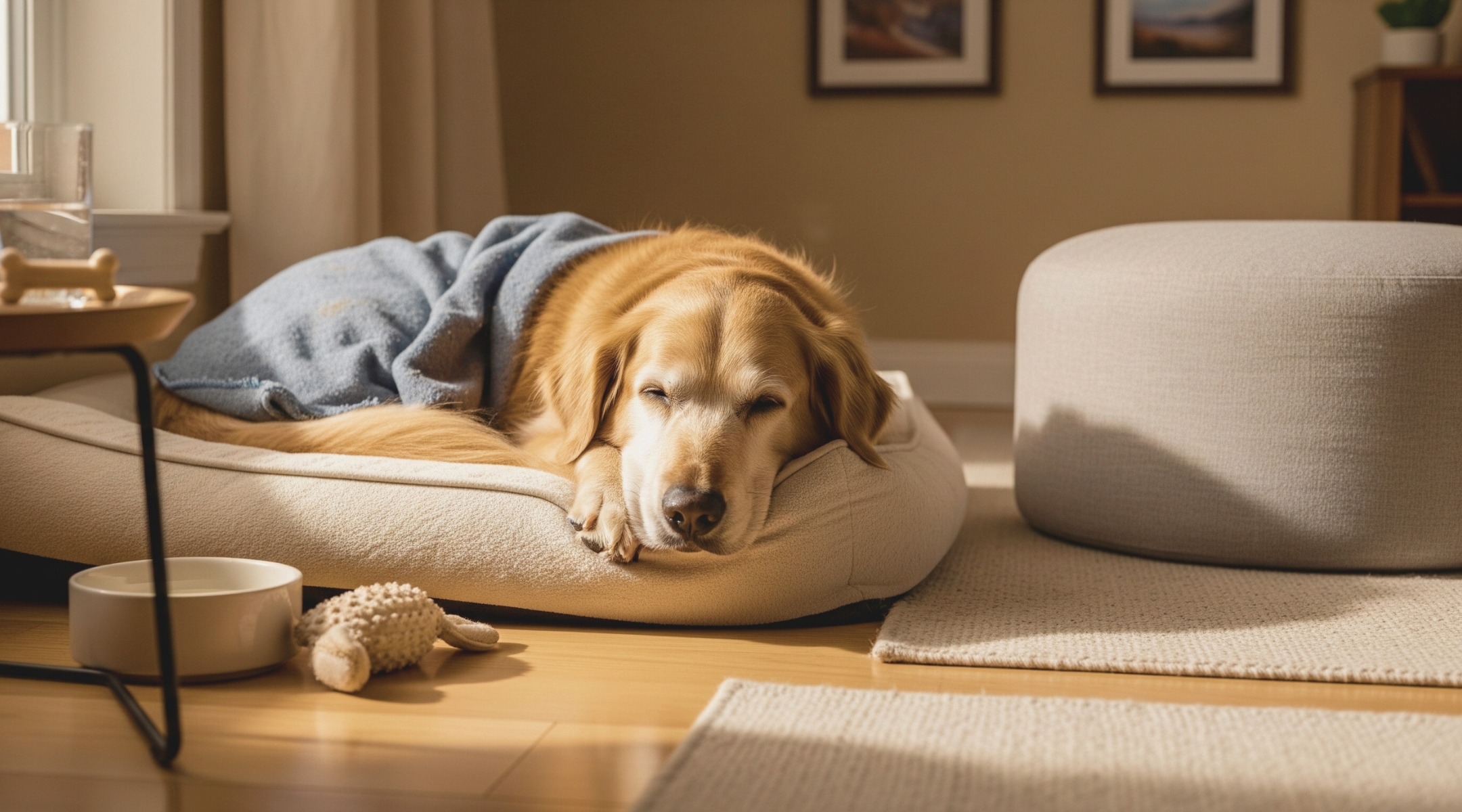
- Orthopedic beds: In multiple locations so they don't have to walk far
- Easy bathroom access: More frequent potty breaks, dog door access
- Temperature control: Seniors have a harder time regulating body temperature
Quality of Life: The Hard Conversations
As dogs age, it's important to regularly assess their quality of life. The HHHHHMM Quality of Life Scale developed by veterinary oncologist Dr. Alice Villalobos provides a framework:
- Hurt - Is pain being managed effectively?
- Hunger - Is your dog eating enough?
- Hydration - Is your dog drinking adequately?
- Hygiene - Can they be kept clean and comfortable?
- Happiness - Do they still have moments of joy?
- Mobility - Can they get around without severe difficulty?
- More good days than bad - Overall assessment
Having these conversations with your vet while your dog is still doing well helps you make thoughtful decisions when the time comes, rather than in a crisis.
Conclusion: Golden Years Done Right
Your senior dog gave you their best years. With proper care, you can give them comfortable, happy golden years in return. The keys are:
- Regular veterinary care with twice-yearly checkups
- Appropriate exercise - gentler but still important
- Mental stimulation to keep their brain active
- Comfortable living environment with accommodations for mobility
- Consistent routine to reduce stress and anxiety
- Watchful monitoring for changes in health or behavior
At 203 Pet Service, we've been caring for Fairfield County's senior dogs since 2004. Our experienced, consistent salaried W-2 team understands that older dogs need a different approach - and we're honored to be part of their care team during these precious years.
Need professional care for your senior dog? Call us at (203) 682-6443 or schedule a consultation to discuss how we can support your aging companion.