
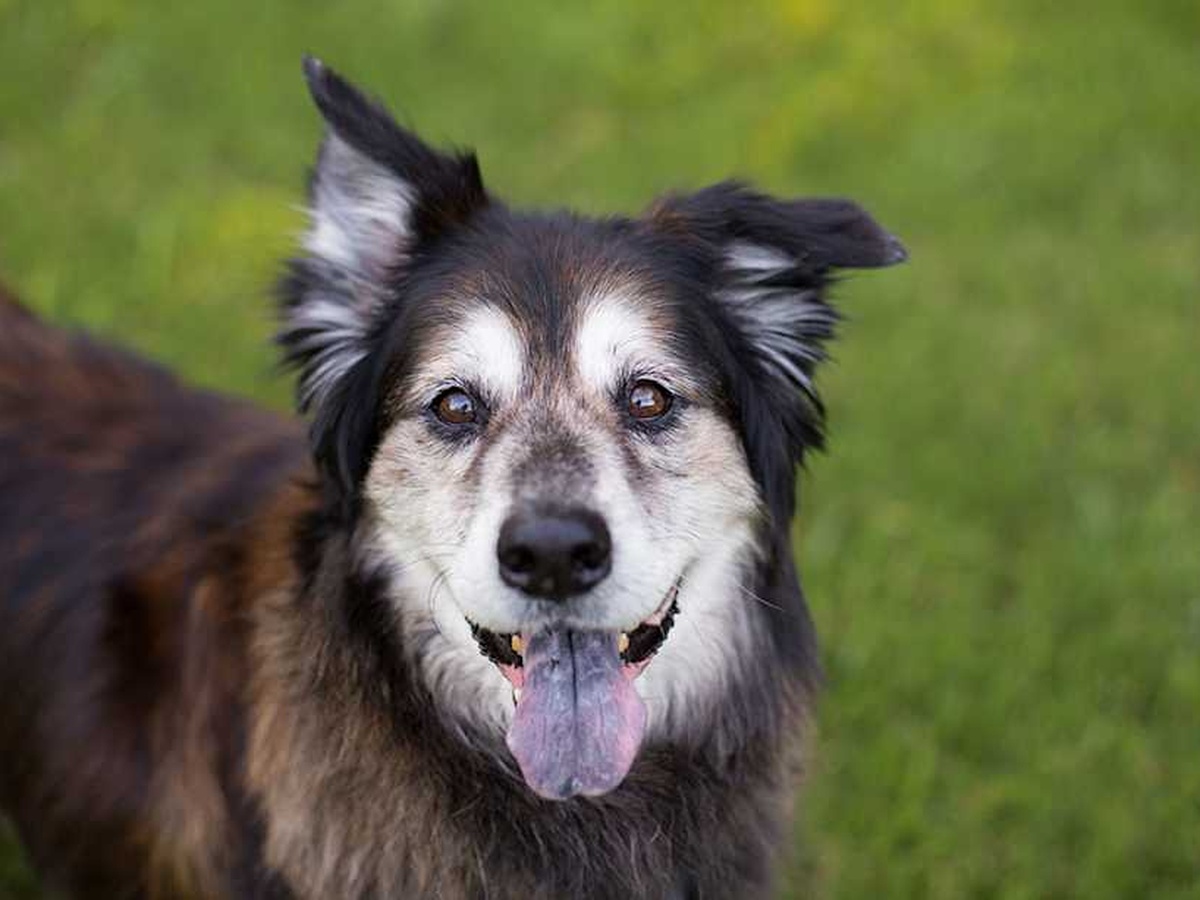
After 20+ years caring for pets across Connecticut, some of my most rewarding relationships have been with senior dogs and cats. These wise souls deserve special care and understanding as they navigate their golden years. This guide will help you provide the best possible care for your aging pet.
When Is a Pet Considered Senior?
Age varies by species and size:
- Small dogs (under 20 lbs): Senior at 10-11 years
- Medium dogs (21-50 lbs): Senior at 8-9 years
- Large dogs (51-90 lbs): Senior at 7-8 years
- Giant breeds (over 90 lbs): Senior at 5-6 years
- Cats: Senior at 11-14 years
However, chronological age matters less than physical and mental condition. Some dogs are "old" at 7 while others remain spry at 12.
Common Age-Related Changes
Physical Changes
- Graying muzzle and face
- Cloudiness in eyes: Often nuclear sclerosis (normal aging) rather than cataracts
- Decreased energy levels
- Stiffness, especially after rest
- Weight changes: Either gain (reduced activity) or loss (dental issues, illness)
- Decreased muscle mass
- Changes in coat condition: Thinning, dryness, or matting
Sensory Changes
- Hearing loss: Often gradual; may not respond to verbal commands
- Vision impairment: Bumping into objects, hesitation in dim light
- Smell and taste changes: May become pickier eaters
Behavioral Changes
- Increased sleep: Senior pets sleep 16-20 hours daily
- Confusion or disorientation: Cognitive dysfunction (similar to Alzheimer's)
- Anxiety, especially when separated
- Changes in social interaction
- House soiling accidents
Adapting Daily Care Routines
Adjusted Exercise
Exercise remains important but requires modification:
- Shorter, more frequent walks: Multiple 10-15 minute walks instead of one long walk
- Gentler pace: Allow more sniffing and slower walking
- Low-impact activities: Swimming is excellent for arthritic pets
- Mental stimulation: Puzzle feeders and scent games provide exercise without physical stress
- Avoid temperature extremes: Senior pets struggle with heat and cold regulation
Our professional walking service adjusts to each senior dog's capabilities, ensuring safe, appropriate exercise.

Home Modifications
Make your home more senior-pet-friendly:
- Ramps or stairs: For accessing furniture, cars, or decks
- Non-slip flooring: Yoga mats or runners on slippery floors
- Raised food and water bowls: Reduces neck strain
- Orthopedic beds: Memory foam provides joint support
- Night lights: Help pets with vision impairment navigate at night
- Easy-access litter boxes: Lower sides for cats with mobility issues
- Baby gates: Block off stairs if they're dangerous
Nutrition for Senior Pets
Dietary Changes
Senior pets often benefit from specialized diets:
- Senior formulas: Lower calories, appropriate protein levels, added joint support
- Easily digestible: Senior digestive systems work less efficiently
- Higher fiber: Helps with constipation, common in older pets
- Omega-3 fatty acids: Support joint, heart, and brain health
- Antioxidants: May slow cognitive decline
Feeding Considerations
- Smaller, more frequent meals: Easier on aging digestive systems
- Soften dry food: Add warm water for pets with dental issues
- Monitor weight closely: Both gain and loss can indicate problems
- Maintain routine: Senior pets find comfort in consistency
- Fresh water always available: Kidney function often declines with age
Health Care and Monitoring
Increased Veterinary Visits
Senior pets should see the vet at least twice yearly for:
- Comprehensive physical exams
- Blood work: Annual panels to catch problems early
- Urinalysis
- Blood pressure monitoring
- Dental checkups: Dental disease accelerates with age
Common Senior Pet Health Issues
Arthritis
Affects most senior pets to some degree:
- Signs: Stiffness, difficulty rising, limping, reluctance to jump or climb stairs
- Management: Pain medication, joint supplements, weight management, gentle exercise, warmth
Cognitive Dysfunction
The pet equivalent of Alzheimer's disease:
- Signs: Disorientation, altered sleep-wake cycles, house soiling, decreased interaction, anxiety
- Management: Medication, mental stimulation, maintaining routine, environmental enrichment
Kidney Disease
Common in senior cats and dogs:
- Signs: Increased thirst/urination, weight loss, decreased appetite, vomiting
- Management: Special diet, hydration, medication, regular monitoring
Heart Disease
- Signs: Coughing, exercise intolerance, rapid breathing, fainting
- Management: Medication, diet modification, restricted exercise
Dental Disease
Affects 80% of pets over 3 years old:
- Signs: Bad breath, difficulty eating, drooling, pawing at mouth
- Management: Professional cleaning, tooth extractions if needed, home dental care
Managing Pain and Discomfort
Signs your senior pet is in pain:
- Decreased activity or reluctance to move
- Changes in posture or gait
- Reluctance to be touched in certain areas
- Decreased appetite
- Panting or restlessness
- Aggression or withdrawal
- Vocalization (whining, crying)
Pain management options include:
- NSAIDs (with veterinary supervision)
- Joint supplements (glucosamine, chondroitin)
- Adequan or Adequan injections
- Laser therapy
- Acupuncture
- Physical therapy
- Weight management
- Orthopedic bedding
Special Care for Senior Dogs
Adapted Walking Services
Our professional walking services adjust to senior dogs' needs:
- Shorter walk durations with more rest breaks
- Gentler pace allowing plenty of sniffing time
- Routes avoiding stairs or steep hills
- Extra attention to weather conditions
- Assistance getting in/out of backyard
- Close monitoring for signs of fatigue or discomfort
- Photo updates so you can observe any changes
Grooming Needs
Senior dogs may need more frequent grooming:
- Nail trims (less natural wear from reduced activity)
- Sanitary trims (mobility issues make self-cleaning difficult)
- Regular brushing (may be unable to groom effectively)
- Checking for lumps, bumps, or skin changes
Quality of Life Assessment
Regularly evaluate your senior pet's quality of life:
Good Days vs. Bad Days
Keep a calendar noting good and bad days. If bad days outnumber good ones, discuss with your vet.
The HHHHHMM Scale
Assess these factors on a scale of 1-10:
- Hurt: Pain level
- Hunger: Appetite and ability to eat/drink
- Hydration: Adequate water intake
- Happiness: Enjoyment of favorite activities
- Hygiene: Ability to stay clean
- Mobility: Ability to move without excessive difficulty
- More good days than bad: Overall assessment
Total scores above 35 suggest acceptable quality of life.
Making the Most of the Time You Have
Create New Traditions
- Adapt activities to current capabilities
- Focus on quality time together
- Take lots of photos and videos
- Let them enjoy special treats (with vet approval)
- Make them as comfortable as possible
Cherish the Moments
Senior pets have an irreplaceable wisdom and calm. They've been with you through good times and bad. Now it's your turn to be there for them. Every day is a gift - make it count.
When to Say Goodbye
This is the hardest decision you'll make as a pet parent. Consider:
- Is your pet in pain that can't be managed?
- Can they still do things they enjoy?
- Are bad days outnumbering good days?
- Is their dignity being maintained?
Discuss quality of life honestly with your veterinarian. It's better to let them go a day too soon than a day too late. The final gift you can give is a peaceful passing, free from suffering.
Conclusion
Caring for a senior pet is a privilege and a responsibility. Yes, it requires more effort, more veterinary visits, and more adaptations. But the reward - the deep connection, the grateful looks, the quiet companionship - makes it all worthwhile.
At 203 Pet, we're honored to care for senior pets. We understand their special needs and treat each one with the gentleness and patience they deserve. Your senior pet gave you their best years - now it's time to make their golden years as comfortable and joyful as possible. Contact us to learn about our gentle senior dog walking services.
Video: Veterinarians explain comprehensive senior dog care including recognizing age-related changes, adapting exercise routines, nutrition adjustments, and when to seek veterinary care.