
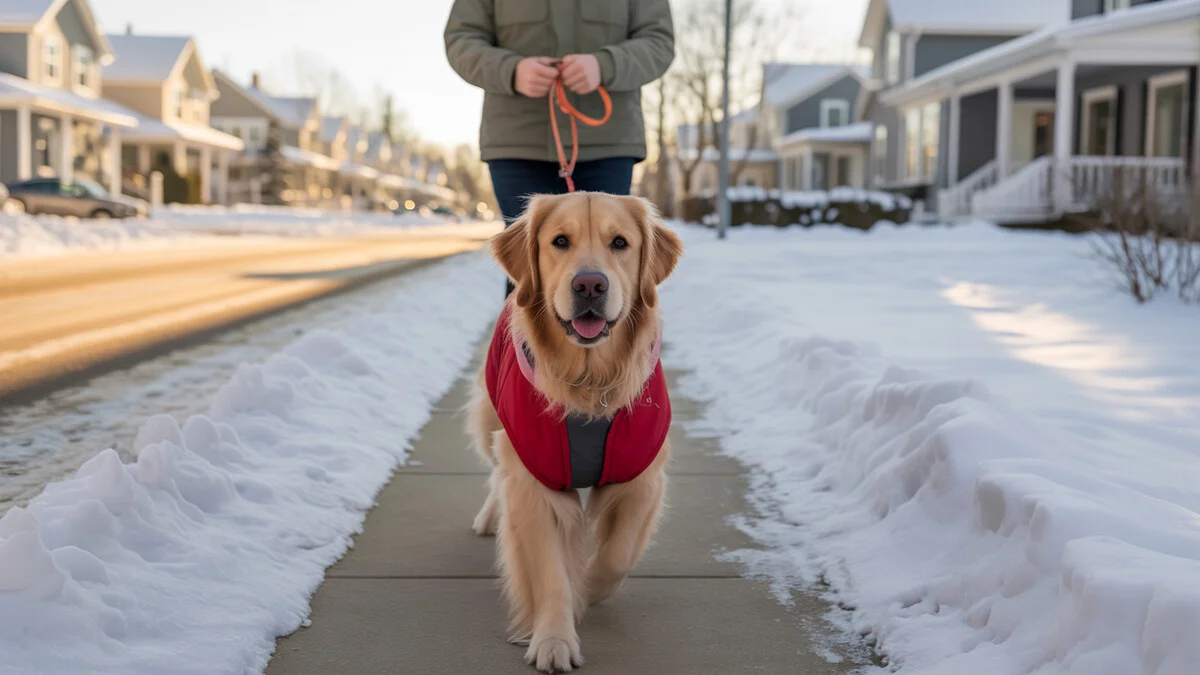
When the temperature drops below freezing in Fairfield County, Connecticut, you and your dog face a balancing act. Your pup still needs exercise and bathroom breaks, but icy sidewalks, road salt, and bitter wind chill can turn a simple walk into a safety risk. Knowing how cold is too cold to walk a dog, understanding winter dog walking gear, and learning winter pet safety tips help you keep walks both safe and enjoyable all season long.
This guide covers what Fairfield County dog parents need to know about dog walking in winter weather, from choosing the right protective gear to adjusting routes and timing in towns like Westport, Fairfield, Easton, and Stratford. Whether your dog is a Husky who loves the cold or a Chihuahua who shivers at 40°F, these practical tips will help you navigate Connecticut winters with confidence.

Understanding Your Dog's Cold Tolerance in Connecticut Winters
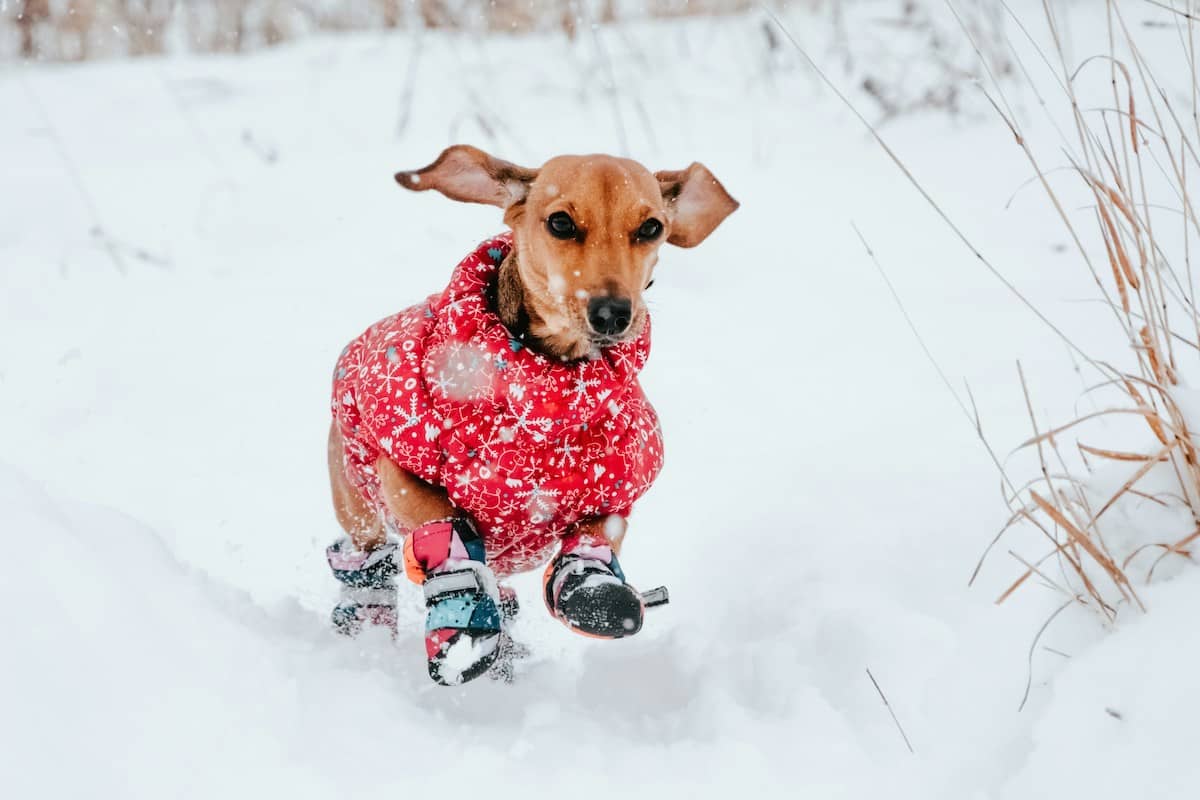
Protective winter gear is essential for safe dog walking in Connecticut's cold months.
Factors that affect how cold is "too cold" for your dog
Not all dogs handle cold the same way. Several factors determine whether a 30°F morning walk is comfortable or dangerous for your pup:
- Coat type and thickness: Double-coated breeds like Huskies and Malamutes tolerate cold much better than single-coated breeds like Greyhounds or Pit Bulls
- Body size and weight: Small dogs lose body heat faster than large dogs due to higher surface-area-to-volume ratio
- Age and health status: Puppies, seniors, and dogs with conditions like arthritis or heart disease are more vulnerable to cold
- Acclimation: Dogs who live indoors year-round are less adapted to extreme temperatures than outdoor-acclimated working dogs
Even within these categories, individual dogs vary. A Labrador might love romping in 20°F snow, while another Lab of the same age might shiver and refuse to walk. Pay attention to your dog's signals rather than relying only on breed generalizations.
Temperature Thresholds: When to Shorten or Skip Walks
Safe temperature ranges for winter dog walking
Veterinarians and pet safety experts provide these general guidelines for dog walking temperature limits:
- 45°F and above: Safe for most healthy dogs. Very small or thin-coated dogs may still benefit from a light jacket.
- 32-45°F: Generally safe, but watch small breeds, short-haired dogs, seniors, and puppies. Consider a coat for added warmth.
- 20-32°F: Increased risk. Small and cold-sensitive dogs should wear coats and limit walk time. Watch all dogs closely for signs of cold stress.
- Below 20°F: Potentially dangerous for most dogs, especially with wind chill. Limit outdoor time to quick potty breaks unless your dog is very cold-tolerant and well-protected.
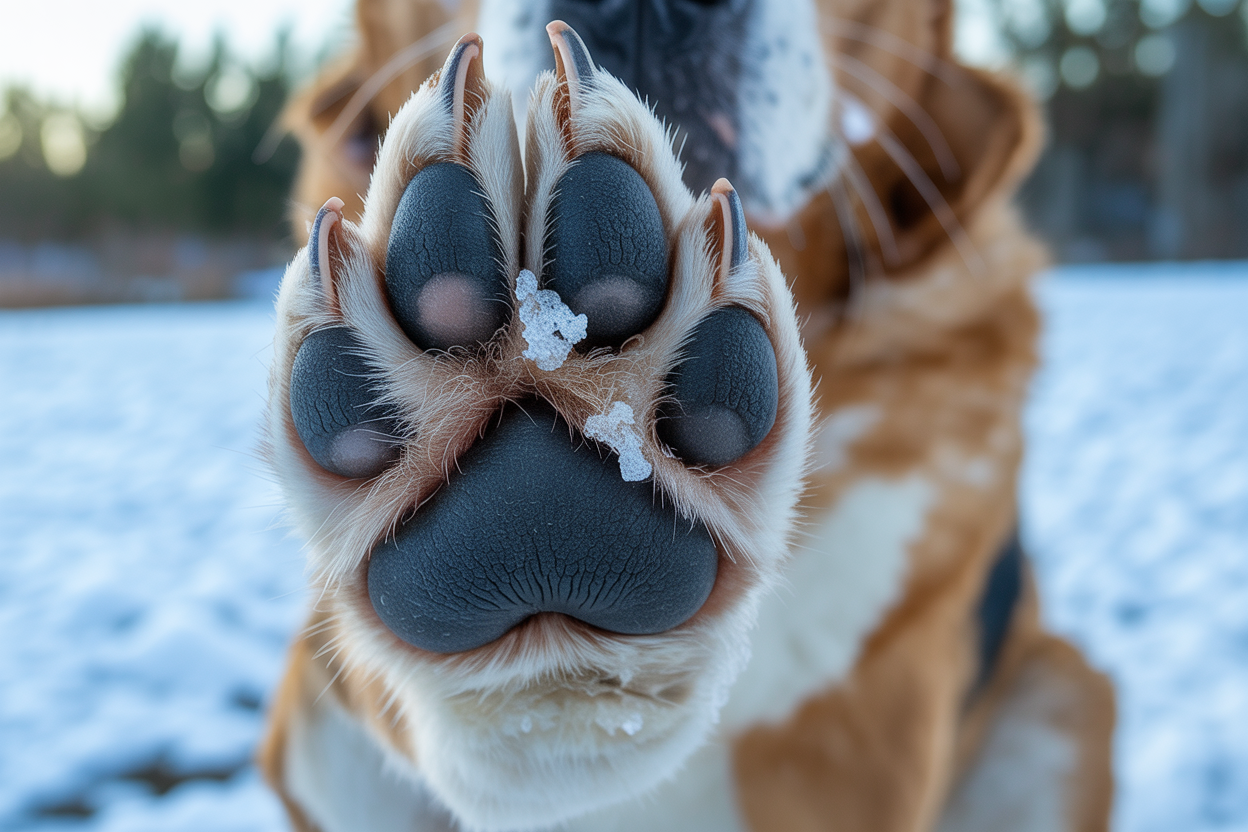
Ice and snow can quickly accumulate between paw pads, causing pain and injury.
Wind chill and "feels like" temperature matter more than the number
The actual temperature is only part of the story. Wind chill dramatically affects how cold it feels to your dog. Along Long Island Sound in Westport, Fairfield, and Stratford, winter winds can be fierce. A 25°F day with 15 mph winds can feel like 13°F - cold enough to cause frostbite on exposed ears, tails, and paw pads in under 30 minutes.
Always check the "feels like" temperature before heading out. If you feel uncomfortably cold within the first minute outside, your dog probably does too. Factor in wind chill when deciding walk length and protective gear.
Essential Winter Dog Walking Gear for Connecticut Weather
Dog coats and sweaters: what to look for
A quality winter dog coat should:
- Cover your dog's chest and belly (not just the back)
- Fit snugly but allow full range of motion
- Have water-resistant or waterproof outer layer for snow and slush
- Include reflective strips or trim for visibility during dark mornings and evenings
For Fairfield County's variable winter weather, look for coats with removable liners so you can adjust warmth as temperatures fluctuate between freezing rain and dry cold.
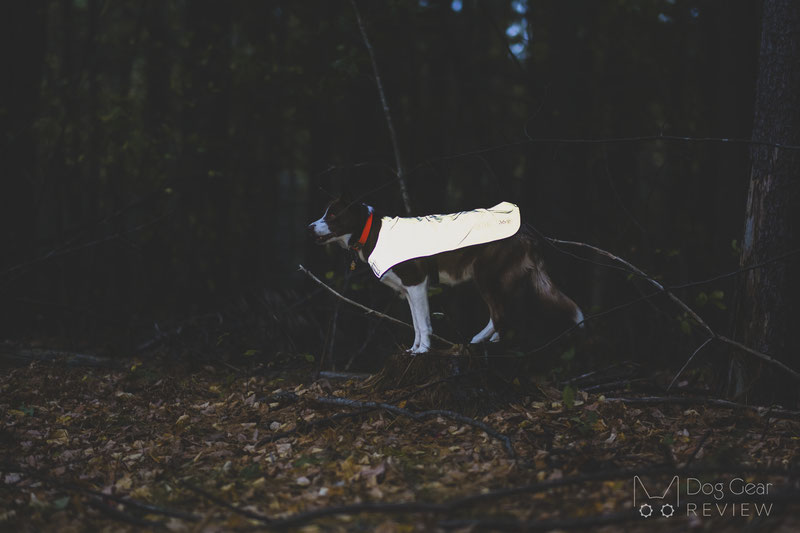
LED collars and reflective vests keep dogs visible during dark winter mornings and evenings.
Dog booties vs. paw balm: protecting paws from ice and salt
Dog booties provide the best protection from:
- Sharp ice that can cut paw pads
- Chemical de-icers and road salt that burn and dry out pads
- Snow buildup between toes
Choose booties with:
- Non-slip soles for traction on ice
- Secure fasteners that won't slip off
- Proper fit (measure paw width when standing)
Paw balm or wax is a good alternative if your dog refuses booties. Apply before walks to create a protective barrier, then rinse paws with warm water after walks to remove salt and chemicals.
Reflective gear and lighting for dark winter walks
With sunset around 4:30 PM in December and January, most Fairfield County dog walks happen in low light or darkness. Essential visibility gear includes:
- Reflective vest or take advantage of for your dog
- LED collar light or clip-on blinker
- Reflective or light-up leash
- Headlamp or flashlight for you to spot ice patches and hazards
In downtown areas like Westport Center or near the Post Road, reflective gear isn't just helpful - it's critical for preventing accidents with cars and bikes.
Signs Your Dog Is Too Cold During a Walk
Behavioral warning signs
Dogs can't tell you they're uncomfortable, but they show clear signals when they're getting too cold:
- Shivering or trembling
- Lifting paws off the ground or refusing to walk
- Whining or barking more than usual
- Seeking shelter or trying to turn back home
- Moving more slowly or seeming anxious
- Hunched posture with tail tucked
If you notice any of these signs, head home immediately. Remove wet gear, dry your dog with towels, and let them warm up gradually in a comfortable room.
Physical signs of hypothermia and frostbite
Early hypothermia:
- Intense shivering
- Lethargy or weakness
- Stumbling or loss of coordination
Severe hypothermia (veterinary emergency):
- Shivering stops
- Very slow breathing or heart rate
- Dilated pupils
- Loss of consciousness
Frostbite warning signs:
- Pale, gray, or blue skin (check ears, tail tip, paw pads)
- Skin that feels cold and hard to touch
- Pain when touching affected areas
- Blisters or skin that peels (appears hours later)
If you suspect hypothermia or frostbite, contact your veterinarian immediately. In the meantime, move your dog to a warm space, wrap them in dry blankets, and avoid rubbing affected areas.
Adjusting Your Walking Routine for Winter Safety
Shorter, more frequent walks vs. one long walk
In summer, a 45-minute morning walk might work great. In January, break that into two or three 15-minute walks spread throughout the day. This approach:
- Reduces prolonged cold exposure
- Prevents ice buildup between toes
- Gives you chances to warm up between outings
- Provides more frequent bathroom breaks for senior dogs or those with small bladders
Best times to walk: mid-day warmth vs. morning/evening cold
In Fairfield County winters:
- Mid-day (11 AM - 2 PM): Usually the warmest time, with temperatures 5-10°F higher than early morning. Sidewalks may be partially melted and drier.
- Early morning (6-8 AM): Often the coldest time with frozen sidewalks and dark conditions. Best for cold-tolerant breeds only.
- Evening (4-6 PM): Temperatures drop quickly after sunset. Use reflective gear and stick to well-lit routes.
If your schedule allows, prioritize mid-day walks when temperatures peak and visibility is best.
Safer winter routes: avoiding ice, traffic, and busy roads
Choose routes with:
- Cleared, treated sidewalks (downtown areas often prioritize these)
- Good street lighting
- Minimal street crossings
- Protection from wind (tree-lined streets, buildings)
Avoid:
- Untreated side streets with black ice
- Areas near frozen ponds or Long Island Sound shoreline (ice can be unstable)
- High-traffic roads where plow trucks and cars kick up salt and slush
- Open fields with no wind protection
In towns like Easton with more rural roads, stick to well-traveled routes where neighbors help keep sidewalks clear.
Post-Walk Winter Care for Your Dog
Paw cleaning and inspection routine
After every winter walk:
- Rinse paws with lukewarm water to remove salt, de-icer chemicals, and ice balls
- Dry thoroughly, especially between toes where moisture can cause irritation
- Inspect paw pads for:
- Redness or swelling
- Cuts or cracks
- Chemical burns (raw, peeling skin)
- Apply paw balm or moisturizer if pads look dry or cracked
Warming up safely after cold exposure
Do:
- Remove wet coat and take advantage of immediately
- Towel-dry your dog's body, legs, and belly
- Let them rest in a warm (not hot) room
- Offer room-temperature water
Don't:
- Use heating pads or hot water bottles (can cause burns)
- Rub areas with suspected frostbite
- Give food immediately (wait until they're fully warmed up)
When to call your veterinarian
Contact your vet immediately if you notice:
- Persistent limping after warming up
- Cracked, bleeding, or peeling paw pads
- Signs of frostbite (pale or discolored skin)
- Lethargy or weakness that continues indoors
- Vomiting or diarrhea (can indicate salt toxicity if your dog licked paws excessively)
FAQ: Winter Dog Walking in Fairfield County CT
How cold is too cold to walk my dog in Connecticut?
For most dogs, below 20°F (especially with wind chill) is too cold for anything beyond quick potty breaks. Small breeds, short-haired dogs, seniors, and puppies may need to limit walks when temperatures drop below 32°F. Always factor in wind chill and your individual dog's tolerance.
Do I really need dog booties for winter walks?
Booties aren't required for all dogs, but they're highly recommended if:
- Roads and sidewalks are heavily salted or treated with de-icers
- Your dog has sensitive paws or a history of cracked pads
- You're walking on sharp, crusty ice
- Your dog is older or has arthritis (cold and chemicals worsen pain)
If your dog refuses booties, use paw balm and rinse paws thoroughly after each walk.
Can I still walk my senior dog in winter?
Yes, but with extra precautions. Senior dogs benefit from gentle exercise year-round, but they're more vulnerable to cold. Keep walks short (10-15 minutes), use a warm coat, and watch for signs of stiffness or discomfort. Consider mid-day walks when temperatures are warmest.
For elderly dogs with mobility issues, consult your vet about appropriate activity levels and whether professional dog walking services with experienced handlers might be safer.
Is it safe to walk dogs on frozen ponds or near Long Island Sound?
No. Avoid all frozen water bodies. Ice thickness varies unpredictably, and even if it looks solid, it may have weak spots. Dogs can fall through ice, and rescue is extremely dangerous. Stick to cleared sidewalks and streets.
How can 203 Pet Service help with winter dog walking?
203 Pet Service offers professional winter dog walking in Westport, Fairfield, Easton, and Stratford. Our experienced team:
- Adjusts walk length and routes based on weather conditions
- Brings protective gear (booties, coats if needed)
- Monitors dogs closely for signs of cold stress
- Provides mid-day walks during the warmest part of the day
- Cleans and dries paws after walks
If winter weather is making it hard to keep up with your dog's exercise needs, call us at (203) 682-6443 or schedule a meet & greet to learn how we can help keep your dog safe, active, and happy all winter long.
Stay Safe and Enjoy Winter Walks in Fairfield County
Winter dog walking in Connecticut requires extra planning and the right gear, but it doesn't have to be stressful. By understanding your dog's cold tolerance, investing in protective equipment, adjusting your routine for weather conditions, and knowing the warning signs of cold-related issues, you can keep winter walks safe and enjoyable for both of you.
Remember: your dog still needs exercise, mental stimulation, and fresh air all year long. With these winter pet safety tips and a little extra preparation, you can make sure your Fairfield County pup stays healthy, happy, and comfortable through even the coldest Connecticut winters.