Quick Answer
To keep your pet safe in a Connecticut winter, protect their paws from ice, salt, and chemicals, dress weather‑sensitive dogs in proper coats, and limit time outside in bitter cold. Clean and check paws after every walk, watch closely for signs of discomfort or hypothermia, use pet safe ice melt when you can, and keep walks visible with lights or reflective gear.
As a professional dog walking service with 20+ years of experience in Connecticut, we've seen firsthand how challenging winter can be for our furry friends. Connecticut winters bring freezing temperatures, snow, ice, and unique challenges that require special attention to keep your pets safe and comfortable.
Understanding Connecticut's Winter Hazards for Pets
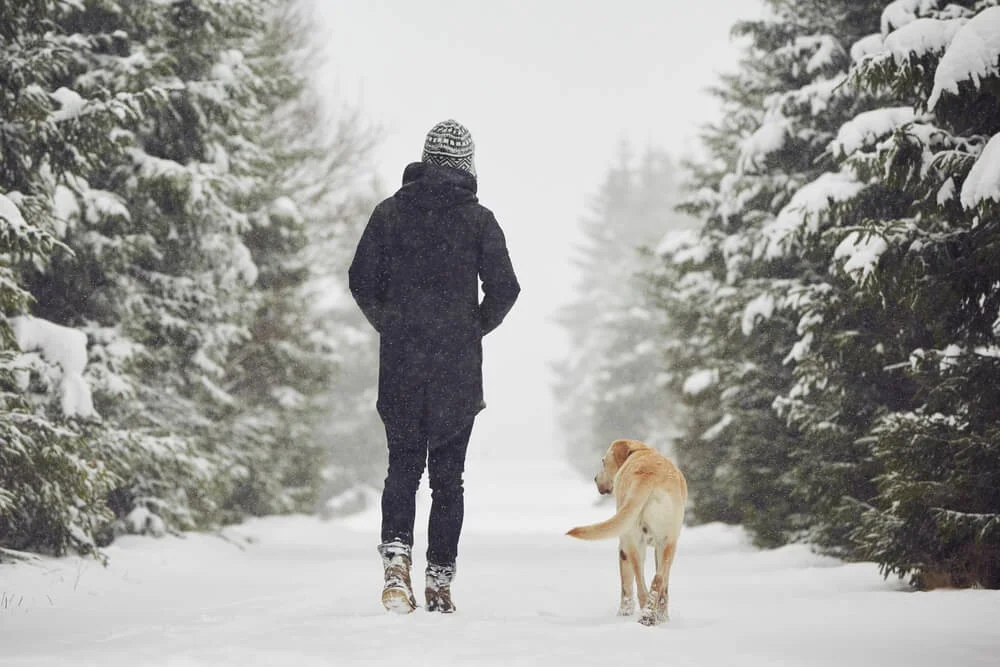
Connecticut's winter weather can be unpredictable and harsh. Temperatures regularly drop below freezing, and we often see significant snowfall throughout the season. These conditions present several hazards for pets:
- Hypothermia and frostbite: Even dogs with thick coats can suffer from extreme cold exposure
- Ice melt chemicals: Many sidewalk de-icers contain harmful chemicals that can burn paw pads
- Antifreeze poisoning: This sweet-tasting but deadly substance is commonly used in Connecticut winters
- Reduced visibility: Early sunsets and snowstorms make evening walks more dangerous
Protecting Your Dog's Paws
During our daily dog walking sessions across Eastern Fairfield County, paw protection is our top priority. Here's what we recommend:
1. Dog Boots or Paw Wax
Invest in quality dog boots or apply protective paw wax before walks. We use and recommend boots for all our clients' dogs during winter months. While some dogs resist boots initially, most adapt quickly with positive reinforcement.
2. Paw Inspection Routine
After every walk, check your dog's paws for:
- Ice balls between toe pads
- Cuts or abrasions
- Chemical burns or redness
- Snow compaction
3. Trim Paw Fur
Keep the fur between your dog's paw pads trimmed short. This prevents ice ball formation and makes walks more comfortable. Our team checks this regularly during our walking sessions.
Appropriate Winter Clothing
Not all dogs need winter coats, but many benefit from them. Consider a coat or sweater if your dog:
- Has a short coat (like Greyhounds, Pit Bulls, or Chihuahuas)
- Is small breed or low to the ground
- Is senior or has arthritis
- Is a puppy or young dog
- Shivers or seems uncomfortable in cold weather
Our professional walking team carries extra coats in our vehicles for clients' dogs who need them during particularly cold days.
Safe Walking Schedule Adjustments
Winter requires modifications to your dog's walking routine:
Timing Matters
Schedule walks during the warmest parts of the day when possible - typically between 10 AM and 2 PM. We adjust our walking schedules seasonally to optimize comfort and safety.
Shorter, More Frequent Walks
Instead of one long walk, consider multiple shorter walks. This provides necessary exercise while minimizing cold exposure. Our standard 30-minute walks can be split into two 15-minute sessions during extreme cold.
Watch for Warning Signs
During walks, watch for signs your dog is too cold:
- Shivering or trembling
- Whining or barking
- Slowing down or stopping
- Lifting paws off the ground
- Seeking shelter
Indoor Exercise Alternatives
When weather makes outdoor walks dangerous, indoor exercise becomes essential:
Mental Stimulation Activities
- Puzzle feeders: Slow down mealtime while providing mental exercise
- Hide and seek: Hide treats around your home for your dog to find
- Training sessions: Work on commands and tricks - 15 minutes of training equals about 30 minutes of walking
- Indoor fetch: Use soft toys in hallways or large rooms
Home Agility Course
Create a simple agility course using household items like chairs, boxes, and cushions. This provides both physical and mental exercise.
Nutrition and Hydration Adjustments
Winter affects your dog's nutritional needs:
- Increased calories: Dogs who spend significant time outdoors may need 10-15% more calories to maintain body heat
- Hydration: Ensure water bowls don't freeze and your dog has access to fresh water at all times
- Weight monitoring: Less outdoor activity can lead to weight gain - adjust portions accordingly
Car Safety in Winter
Many pet parents don't realize that cars can be as dangerous in winter as in summer:
- Never leave pets unattended in cold cars - temperatures drop quickly
- Always check under your car hood - cats often seek warmth in engine compartments
- Keep emergency supplies in your car including blankets, water, and food
Professional Dog Walking Services in Winter
As Connecticut's trusted dog walking service for 20+ years, we've developed comprehensive winter safety protocols:
- All walkers are trained in cold weather safety
- We provide photo updates after each walk so you can see your dog's condition
- Weather is monitored continuously throughout the day
- Walks are adjusted or moved indoors when temperatures drop below safe levels
- We maintain communication with pet parents about weather-related schedule changes
Emergency Preparedness
Connecticut winters can bring power outages and travel difficulties. Prepare an emergency kit for your pets:
- At least 7 days of food and water
- Medications and medical records
- Extra blankets and bedding
- Battery-powered or hand-crank radio
- Pet first aid kit
- Contact information for your veterinarian and emergency vet clinic
Conclusion
Winter in Connecticut presents unique challenges for pet care, but with proper preparation and awareness, you can keep your furry family members safe and comfortable all season long. Whether you're walking your dog yourself or using professional services like ours, following these guidelines will ensure a safe and happy winter for your pets.
If you have concerns about your dog's winter exercise needs or want to learn more about our professional dog walking services across Eastern Fairfield County, don't hesitate to reach out. We're here to help keep your pets healthy and happy year-round. For veterinary concerns during winter, we recommend Greenfield Animal Hospital and other trusted local partners.
Video: Essential winter safety tips from veterinary experts including paw protection, appropriate clothing, and recognizing signs of hypothermia.
Related Articles
Frequently Asked Questions
About This Topic
How cold is too cold to walk my dog in Connecticut?
Most healthy dogs can handle quick walks around 30°F, but once temps drop into the 20s or lower, you’ll want shorter, more frequent outings. Small, senior, or short‑haired dogs often need a coat and very limited time outside below freezing. Watch for shivering, lifting paws, or slowing down. At 203 Pet Service, we adjust walk length to the day’s real feel temperature.
Do dogs really need boots in the winter, or is that overkill?
In Connecticut, winter boots aren’t overkill, they’re often the best protection from salt, ice melt chemicals, and painful ice balls. If your dog refuses boots, try a thin boot style first and pair it with treats and praise around the house. You can also use paw wax on shorter walks. Our dog walkers use boots whenever possible during icy or salty conditions.
How can I tell if my dog’s paws are irritated from sidewalk salt?
Look for redness between the toes, licking or chewing at the paws, limping, or your dog suddenly stopping on walks. After every winter walk, rinse or wipe each paw with warm water and gently dry between the pads. If the skin looks cracked or very red, call your vet. At 203 Pet Service, we always do a quick paw check after every winter visit.
What winter gear does my dog actually need for Connecticut weather?
Most dogs benefit from a well‑fitted winter coat, especially short‑haired, senior, or small breeds. Paw protection, boots or paw wax, is key because of our icy sidewalks and heavy salt use. A reflective collar, leash, or light is also important since it gets dark early. Our team at 203 Pet Service can help you figure out what’s right for your dog’s size and activity level.
How do I keep my dog safe on dark, icy evening walks?
Use a reflective leash, use, or clip‑on light so drivers can see you in Fairfield County’s early winter darkness. Walk on cleared, well‑lit routes and keep your dog on a shorter leash near busy roads. Go slowly on ice and avoid piles of commercial ice melt when you can. Our walkers are trained to choose the safest routes and adjust pace for conditions.
What are signs my dog is too cold and needs to go inside?
Common signs include shivering, hunched posture, lifting or holding up paws, whining, or trying to head back home. If your dog suddenly slows down, seems disoriented, or stops responding well, bring them inside immediately and warm them gradually with blankets. Don’t use hot water or direct heat. 203 Pet Service walkers monitor for these signs on every winter outing.
How can I keep my dog active in winter when walks are shorter?
On bitterly cold days, try several shorter walks instead of one long one, then add indoor mental exercise: puzzle feeders, basic training refreshers, and scent games tire dogs out. Fetch or tug in a hallway can help too. If your schedule’s tight, 203 Pet Service offers customized winter dog walks and drop‑in play visits to burn off that extra energy safely.
About 203 Pet Service
What areas does 203 Pet Service cover in Fairfield County?
We provide professional dog walking, pet sitting, and training services across Eastern Fairfield County, Connecticut. We proudly serve families in Fairfield, Stratford, Westport, Easton, Southport, Black Rock, Bridgeport, Shelton, Devon, Trumbull, Weston, and Wilton. 203 Pet Service has cared for pets in Fairfield County since 2004, and every visit is handled by a trained, W-2 salaried employee who is background checked and fully insured.
Why does 203 Pet Service use salaried W-2 employees instead of independent contractors?
We believe salaried W-2 employees provide more reliable, accountable, and professional pet care. Unlike independent contractors, our salaried employees go through careful background checks, full training, and are fully insured. This employment structure means consistency, accountability, and peace of mind for Fairfield County pet families.
Does 203 Pet Service provide care for cats as well as dogs?
Yes. We offer full cat sitting services including feeding, litter box care, playtime, and medication. Whether you need daily visits while you are at work or full vacation care, our salaried employees are trained in feline behavior and health needs. We serve cat families throughout our 12 Fairfield County service towns.