
Connecticut winters can be brutal, and while we bundle up in layers, our pets face unique challenges in the cold. From ice melt chemicals burning paw pads to the risk of hypothermia on extended walks, Fairfield County pet owners need to understand how to keep their dogs and cats safe during the coldest months. This guide covers everything from temperature guidelines to emergency signs to watch for, plus the local emergency veterinary resources you need to know.
At 203 Pet Service, our salaried W-2 team members have been walking dogs through 22 Connecticut winters. We've learned exactly what it takes to keep pets safe when temperatures drop, snow falls, and ice melt coats every sidewalk. This guide shares our hard-won expertise to help you protect your four-legged family members all season long.
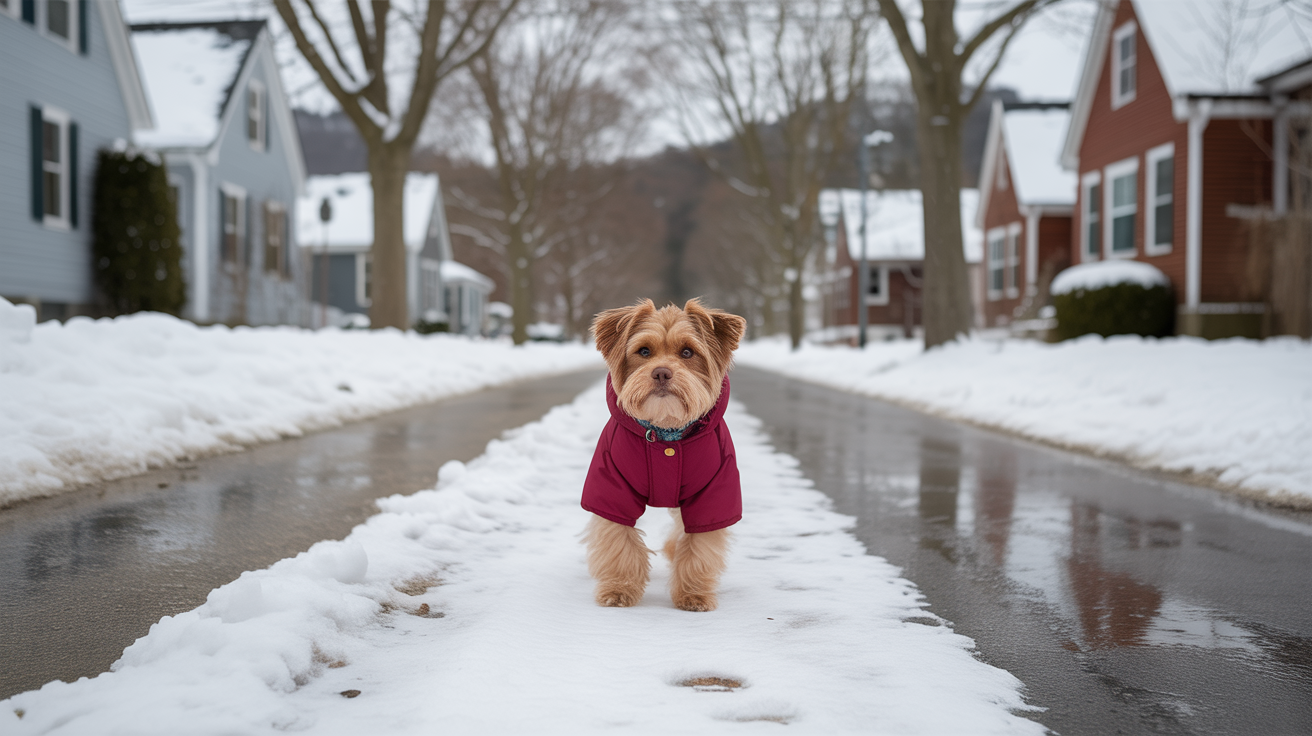
Proper protection, including coats for vulnerable breeds, is key for safe winter walks in Connecticut.

Temperature Guidelines: When Is It Too Cold for Your Dog?
According to the American Kennel Club (AKC), safe outdoor temperatures depend on your dog's size, coat type, age, and health status. The American Veterinary Medical Association (AVMA) provides additional guidance on cold weather safety for pets.
General Temperature Guidelines:
- 45°F and above: Generally safe for most dogs
- 32-45°F: Small, thin-coated, young, old, or sick dogs may be uncomfortable
- 20-32°F: Potentially unsafe for small, old, young, or thin-coated dogs; limit outdoor time
- Below 20°F: Potentially dangerous for all dogs; only brief outdoor trips
Dogs More Vulnerable to Cold:
The PetMD veterinary team identifies these dogs as requiring extra winter protection:
- Small breeds (Chihuahuas, Yorkshire Terriers, Italian Greyhounds)
- Short or thin coats (Greyhounds, Boxers, Pit Bulls, Whippets)
- Senior dogs (reduced ability to regulate body temperature)
- Puppies (underdeveloped thermoregulation)
- Dogs with health conditions (diabetes, heart disease, arthritis, Cushing's disease)
- Very lean dogs with little body fat
- Dogs recently groomed or shaved
Dogs More Cold-Tolerant:
- Northern breeds (Huskies, Malamutes, Samoyeds, Akitas)
- Thick double coats (Newfoundlands, Bernese Mountain Dogs, Great Pyrenees)
- Larger body mass retains heat better
- Mountain breeds (Saint Bernards, Tibetan Mastiffs)
🌡️ Wind Chill Matters
Don't just check the temperature, check the wind chill. According to the National Weather Service, wind significantly increases cold stress. A 30°F day with 15 mph winds feels like 19°F to your dog. Our salaried W-2 team members check wind chill before every winter walk and adjust duration accordingly.
Paw Protection: The Hidden Winter Hazard
One of the most overlooked winter dangers is what happens to your dog's paws. According to the ASPCA Animal Poison Control Center, ice melt products pose serious risks to pets, both through direct contact and ingestion.
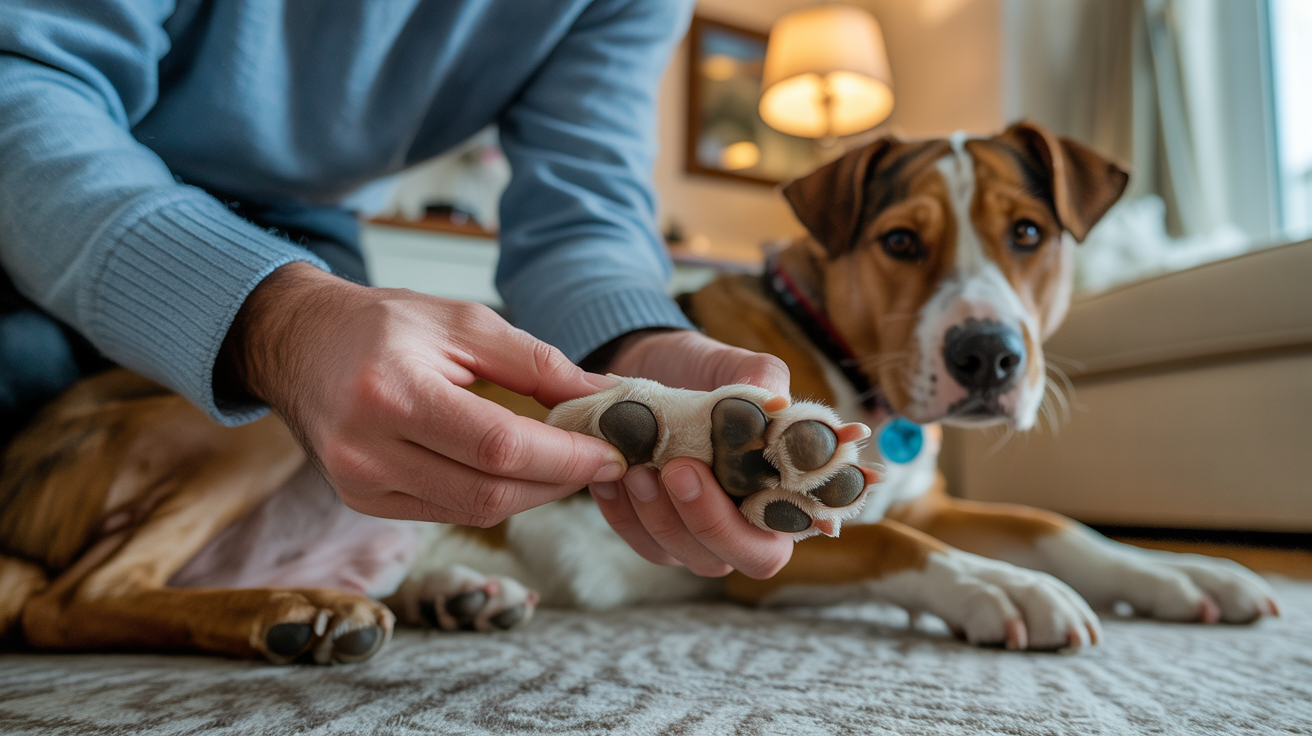
Regular paw inspections are key during winter to catch damage early.
Dangers of Ice Melt Chemicals:
Research from the Pet Poison Helpline identifies these risks:
- Chemical burns: Salt and ice melt can irritate and burn paw pads, causing pain and inflammation
- Cracking and bleeding: Repeated exposure causes dry, cracked pads that may bleed
- Ingestion risk: Dogs lick their paws and ingest chemicals, causing GI upset or worse
- Toxic ingredients: Some ice melts contain calcium chloride (causes oral burns), potassium chloride (GI irritant), or even ethylene glycol (antifreeze component)
Protecting Your Dog's Paws:
- Dog booties: The best protection, though it takes training for dogs to accept them. The AKC recommends starting bootie training indoors during warmer months.
- Paw wax (Musher's Secret): Apply before walks to create a protective barrier against salt and ice
- Wipe paws immediately: After every walk, wipe with a warm, damp cloth, including between toes
- Check between toes: Ice balls can form between paw pads and cause significant pain
- Trim paw fur: Long hair between pads collects ice and salt; keep it trimmed
- Moisturize: Use pet-safe paw balm (like Bag Balm or coconut oil) if pads become dry or cracked
✅ 203 Pet Service Winter Protocol
Our salaried W-2 team members wipe paw pads after every winter walk. This isn't optional, it's standard protocol because we know how quickly salt and chemicals can cause damage. We also inspect paws for cracking, ice balls, and injury during every visit.
Frostbite: Recognition and Prevention
According to VCA Hospitals, frostbite occurs when body tissues freeze, typically affecting extremities with less blood flow. Dogs are most susceptible on their ears, tail tip, scrotum, and paw pads.
Signs of Frostbite:
- Immediately: Pale, gray, or bluish skin on affected areas
- Cold and hard to touch: Affected areas feel brittle
- Pain when touched: Dog may pull away or whimper
- As tissue warms: Redness, swelling, skin may blister or peel
- Severe cases: Skin turns black (tissue death), may slough off over days
If You Suspect Frostbite:
- Move to a warm area immediately
- Warm affected areas slowly with lukewarm (NOT hot) water (104-108°F)
- Do NOT rub the affected area (causes additional tissue damage)
- Do NOT use direct heat (heating pads, hair dryers)
- Wrap loosely in warm towels
- Seek veterinary care, frostbite damage isn't always immediately apparent
Fairfield County Specific Winter Hazards
Living in Fairfield County means dealing with specific winter challenges that our salaried W-2 team members encounter daily:
Beach Walks in Winter:
- Sand mixed with road salt can be extremely irritating to paws
- Cold wet sand pulls heat from paws quickly
- Frozen ocean spray can coat fur and cause rapid heat loss
- Keep winter beach walks short and wipe down thoroughly afterward
- Sherwood Island and Jennings Beach are particularly windy, factor in wind chill
Frozen Ponds and Long Island Sound:
- Never let dogs onto frozen ponds, even if the ice looks solid
- Dogs don't understand ice thickness and can fall through
- Cold water immersion can cause rapid hypothermia (submersion death can occur in minutes)
- Keep dogs on leash near any frozen water including Mill River, Pequonnock River, and Lake Mohegan
Road Salt on Sidewalks:
- Main roads like Post Road (Route 1) have heavy salt concentrations
- Residential sidewalks vary widely in treatment, some neighbors use pet-safe alternatives, others don't
- Downtown areas (Fairfield, Westport, Norwalk) often use sand/salt mix
- Shopping center parking lots are heavily salted, carry your small dog through them
- Plan routes that minimize salt exposure when possible
Hypothermia: Warning Signs and Response
According to VCA Hospitals, hypothermia occurs when a dog's body temperature drops below normal (99-102.5°F for dogs). The Merck Veterinary Manual classifies hypothermia severity by temperature:
Early Signs (Mild Hypothermia - 90-99°F):
- Shivering (body's attempt to generate heat)
- Lethargy or weakness
- Cold ears and paws
- Seeking warmth (curling up, trying to get inside)
- Pale or gray gums
Serious Signs (Moderate to Severe - Below 90°F):
- Shivering stops (muscles too cold to function, this is WORSE than shivering)
- Shallow, slow breathing
- Weak pulse
- Stiff muscles
- Fixed, dilated pupils
- Unresponsiveness or collapse
- Cardiac arrhythmias (irregular heartbeat)
If You Suspect Hypothermia:
- Get them indoors immediately
- Wrap in warm (not hot) blankets, warm the blankets in the dryer first if possible
- Use warm water bottles wrapped in towels (not directly on skin)
- Don't use a hair dryer or heating pad (can cause burns to cold tissue)
- Offer warm (not hot) water or low-sodium broth if they're alert enough to drink
- Contact your vet immediately, even mild hypothermia warrants examination
- Transport to emergency vet if temperature doesn't improve or dog is unresponsive
🚨 Fairfield County Emergency Veterinary Resources
Save these numbers now, you won't have time to search during an emergency:
- MedVet Norwalk - 594 Main Ave, Norwalk - (203) 854-9960
24/7 emergency + specialty care - Our top recommendation for emergencies - VCA Shoreline Veterinary Referral & Emergency Center - 895 Bridgeport Ave, Shelton - (203) 929-8600
24/7 emergency and specialty services - VCA Norwalk Animal Hospital - 661 Main Ave, Norwalk - (203) 838-3566
Limited emergency hours-call ahead - Greenfield Animal Hospital - 40 Hillside Road, Fairfield, CT - (203) 254-0700
Emergency services during business hours - ASPCA Poison Control: (888) 426-4435 (24/7 - $95 consultation fee)
- Pet Poison Helpline: (855) 764-7661 (24/7 - $85 consultation fee)
Antifreeze: A Deadly Winter Danger
According to the Pet Poison Helpline, antifreeze (ethylene glycol) is one of the most dangerous poisons for pets, and winter is prime exposure season as people winterize vehicles.
- Sweet taste attracts pets, they may actively seek it out and lap it up
- Extremely toxic: As little as 1-2 teaspoons can be lethal for a cat; 1-2 tablespoons for a medium dog
- Rapid progression: Kidney failure can occur within 12-24 hours if untreated
- Found in: Car radiators, hydraulic brake fluid, some de-icers, decorative snow globes, portable basketball hoop bases
Prevention:
- Check driveways and garage floors for leaks, the bright green/yellow color is distinctive
- Use pet-safe antifreeze (propylene glycol based) in your own vehicles
- Clean up any spills immediately with cat litter or sand to absorb
- Don't let dogs drink from puddles in parking lots or driveways
- Store antifreeze in sealed containers on high shelves
Signs of Antifreeze Poisoning:
The ASPCA describes three stages:
- Stage 1 (30 min - 12 hours): "Drunk" behavior, nausea/vomiting, excessive thirst/urination, depression
- Stage 2 (12-24 hours): Apparent improvement (dangerous false alarm, kidneys are being damaged)
- Stage 3 (24-72 hours): Severe kidney damage, lethargy, vomiting, seizures, coma, death
⚠️ Antifreeze Is a Life-Threatening Emergency
If you suspect antifreeze ingestion, do not wait for symptoms. The antidote (fomepizole) works best within 8-12 hours of ingestion. Get to an emergency vet immediately, time is critical.
Winter Walking Best Practices
Professional dog walkers adjust their approach in winter. Here's what we recommend based on 22 years of Connecticut winters:
Walk Duration:
- Shorter walks, 15-20 minutes vs. 30+ in warmer weather
- Multiple short walks are safer than one long one
- Monitor your dog continuously for signs of cold stress
- Head home at the first sign of shivering or reluctance
- Factor in wind chill, not just temperature
Gear and Preparation:
- Coats or sweaters for short-haired, small, young, or senior dogs
- Reflective gear, it gets dark early in winter
- Booties if your dog will tolerate them
- Paw wax as an alternative to booties
- LED collar lights for visibility
Route Selection:
- Cleared sidewalks when available
- Avoid areas with heavy salt application when possible
- Sunny routes when available (warmth plus melting)
- Wind-protected areas on very cold days
Indoor Alternatives When It's Too Cold
When the weather is too harsh for outdoor walks, keep your dog mentally and physically stimulated inside:
- Puzzle feeders: Mental stimulation tires dogs like physical exercise
- Indoor training sessions: Practice commands, teach new tricks
- Hide and seek: Hide treats around the house
- Tug games: Great physical outlet
- Snuffle mats: Engage their sense of smell
- Stairs: Supervised stair climbing (if your dog has healthy joints)
Our Winter Protocol at 203 Pet Service
After 22 years of Connecticut winters, we've developed clear winter protocols:
- Paw wipes after every walk - non-negotiable
- Walk duration adjustments based on temperature and wind chill
- Cold stress monitoring throughout every walk
- Route adaptation to minimize salt exposure
- Weather-based scheduling - we may recommend time changes during extreme cold
- Emergency protocols if a dog shows signs of cold stress
- Communication - we'll let you know if conditions aren't safe
Our salaried W-2 team members are trained to recognize early signs of cold stress and know when to cut a walk short. Your dog's safety always comes first.
Conclusion: Stay Safe This Winter
Connecticut winters require extra vigilance to keep our pets safe. Remember:
- Know your dog's cold tolerance and adjust accordingly
- Protect paws from ice melt chemicals
- Watch for signs of hypothermia
- Keep antifreeze completely out of reach
- Shorter, more frequent walks are safer than long ones
- Have indoor alternatives ready for extreme cold days
At 203 Pet Service, winter safety is built into everything we do. Our salaried W-2 team members know how to keep Fairfield County dogs safe and comfortable during the coldest months of the year.
Need professional winter pet care? Call us at (203) 682-6443 or schedule a consultation.