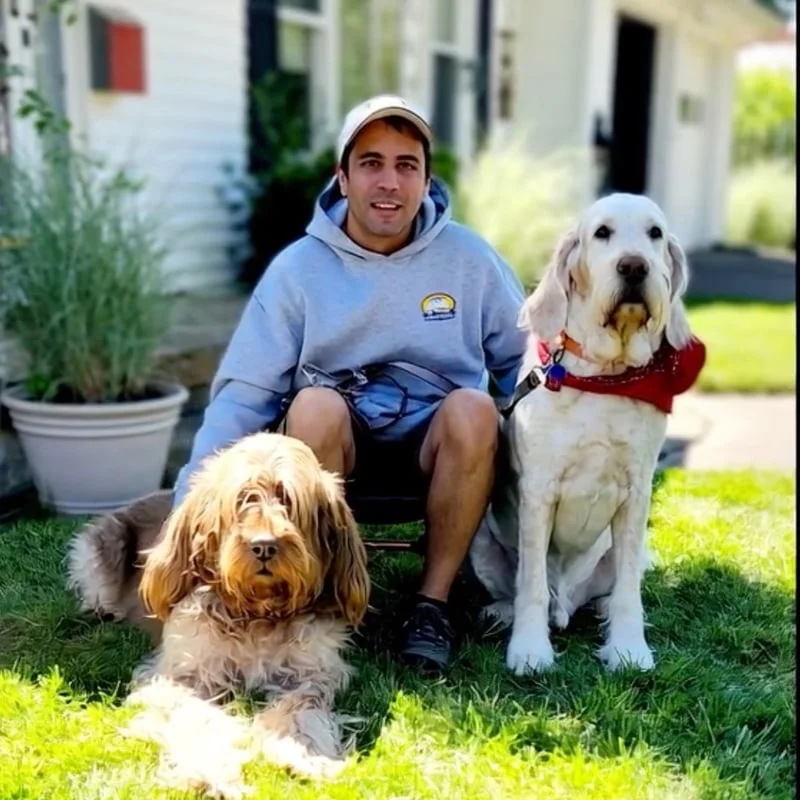
"How often should I walk my dog?" It's one of the most common questions we hear from pet owners in Fairfield County-and one that doesn't have a simple answer. The truth is, your dog's exercise needs depend on a complex interplay of breed, age, health status, and individual temperament. Get it wrong, and you risk behavioral problems, obesity, or injury. Get it right, and you'll have a happier, healthier, better-behaved companion.
At 203 Pet Service, our salaried W-2 team members walk dogs of every breed and age across Fairfield County every day. After 22 years and hundreds of thousands of walks, we've learned exactly what different dogs need-and it's rarely what owners expect. This comprehensive guide draws on veterinary research, breed-specific data, and our decades of hands-on experience to help you create the perfect exercise routine for your unique dog.
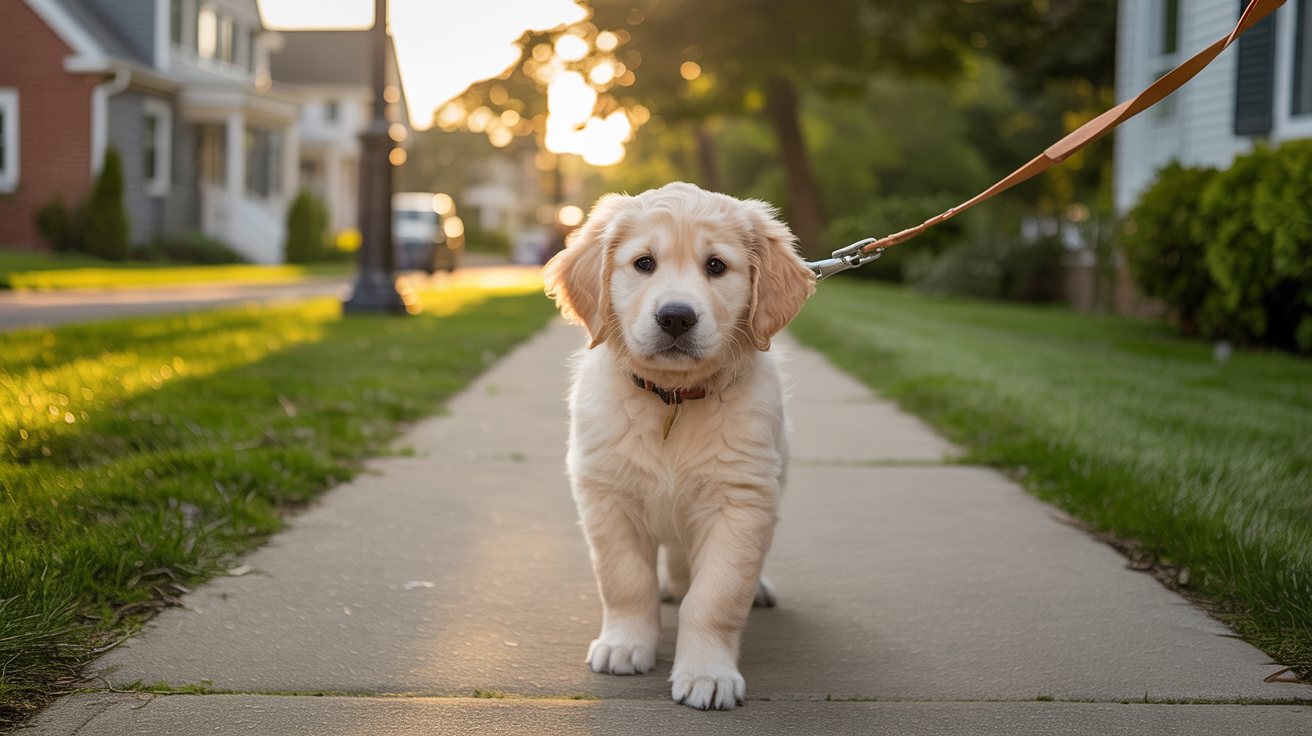
Puppies need carefully controlled exercise to protect developing joints-more isn't always better.

The Science of Canine Exercise Requirements
Before we dive into specific recommendations, it's important to understand why exercise matters so much for dogs-and why both too little and too much can cause problems.
According to the American Veterinary Medical Association (AVMA), regular exercise provides dogs with critical physical and mental health benefits: weight management, cardiovascular health, joint flexibility, muscle maintenance, mental stimulation, and behavioral regulation. Dogs that don't get adequate exercise are significantly more likely to develop obesity, anxiety, destructive behaviors, and chronic health conditions.
However, the American Kennel Club (AKC) warns that exercise requirements vary dramatically by breed, age, and individual health status. A Border Collie's needs are radically different from a Bulldog's-and treating them the same can cause serious problems for both.
📊 Key Research Finding
A 2019 study published in the journal Scientific Reports found that dogs receiving inadequate exercise were 2.3 times more likely to exhibit behavioral problems including aggression, anxiety, and destructive behavior. The study analyzed over 13,000 dogs across 264 breeds.
Exercise Requirements by Breed Group
The single biggest factor in determining how much exercise your dog needs is their breed-or, for mixed breeds, the breeds in their genetic makeup. Dogs were bred for specific jobs, and those original purposes still dictate their energy levels and exercise requirements today.
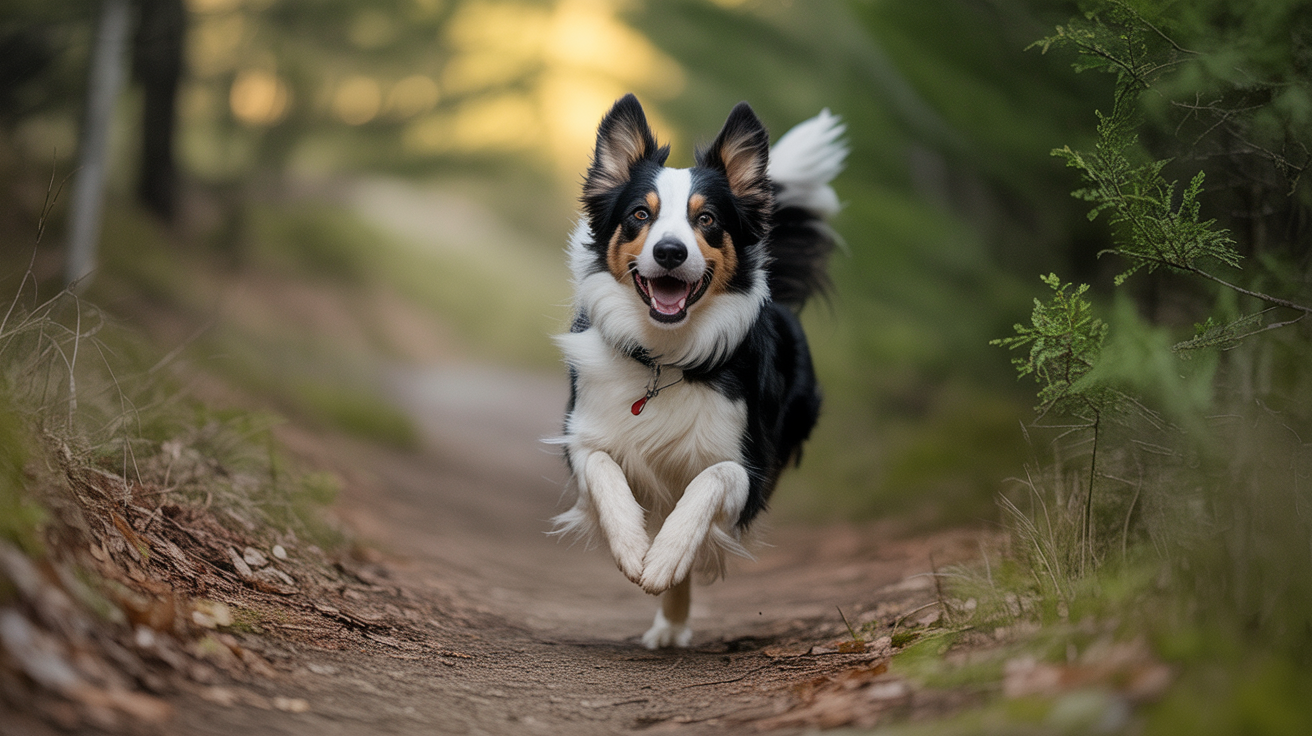
High-energy breeds like Border Collies were bred for all-day work and need substantial daily exercise.
High-Energy Breeds: 90-120+ Minutes Daily
According to the AKC Breed Database, the following breeds require significant daily exercise-typically 90 minutes to 2+ hours of active movement:
- Sporting Group: Labrador Retrievers, Golden Retrievers, German Shorthaired Pointers, Vizslas, Weimaraners, Irish Setters, English Springer Spaniels
- Herding Group: Border Collies, Australian Shepherds, Belgian Malinois, German Shepherds, Australian Cattle Dogs
- Working Group: Siberian Huskies, Alaskan Malamutes, Doberman Pinschers, Boxers
- Terrier Group: Jack Russell Terriers, Parson Russell Terriers, Airedale Terriers, Wire Fox Terriers
⚠️ Warning: Under-Exercised High-Energy Dogs
The ASPCA notes that under-exercised high-energy dogs frequently develop destructive behaviors including chewing, digging, excessive barking, and escape attempts. These behaviors aren't "bad dog" problems-they're unmet needs manifesting as symptoms.
Moderate-Energy Breeds: 60-90 Minutes Daily
These breeds need consistent daily exercise but can be satisfied with somewhat less than the high-energy group:
- Sporting Group: Cocker Spaniels, Brittanys, English Setters
- Hound Group: Beagles, Basset Hounds, Dachshunds, Whippets
- Non-Sporting Group: Standard Poodles, Dalmatians, Keeshonden
- Herding Group: Collies, Shetland Sheepdogs, Pembroke Welsh Corgis
Lower-Energy Breeds: 30-60 Minutes Daily
Some breeds have been specifically bred for companionship rather than work, and their exercise needs reflect this:
- Toy Group: Cavalier King Charles Spaniels, Pugs, Shih Tzus, Pekingese, Chihuahuas
- Non-Sporting Group: Bulldogs (English and French), Boston Terriers, Chow Chows
- Giant Breeds: Great Danes, Mastiffs, Saint Bernards, Newfoundlands (lower intensity due to joint stress)
⚡ Important Note on Brachycephalic Breeds
The VCA Hospitals warns that flat-faced breeds (Bulldogs, Pugs, French Bulldogs, Boston Terriers) have compromised respiratory systems. These dogs overheat quickly and should never exercise vigorously in warm weather. Their walks should be shorter, slower, and scheduled during cooler parts of the day.
Exercise Requirements by Life Stage
Age dramatically affects how much exercise your dog needs-and the type of exercise that's appropriate. Here's what veterinary science tells us about each life stage:
Puppies (8 Weeks to 1 Year): Less Is More
Contrary to what many owners assume, puppies should NOT be exercised heavily. The Orthopedic Foundation for Animals (OFA) and multiple veterinary studies have linked excessive puppy exercise to developmental orthopedic diseases including hip dysplasia, osteochondritis dissecans, and growth plate injuries.
✅ The "5-Minute Rule" for Puppies
Most veterinarians recommend the "5-minute rule": 5 minutes of structured exercise per month of age, twice daily. A 4-month-old puppy should have two 20-minute walks per day-not the hour-long hikes some enthusiastic owners attempt. Free play in a safe area can supplement this, but forced marching or running should be avoided until growth plates close (typically 12-18 months depending on breed).
Adult Dogs (1-7 Years): Peak Exercise Years
Adult dogs in their prime can-and should-get their full breed-appropriate exercise. This is when consistent daily walking pays the biggest dividends in behavior and health.
According to a Banfield Pet Hospital study, adult dogs that receive regular daily exercise have 15% fewer veterinary visits for preventable conditions compared to sedentary dogs of the same age and breed.
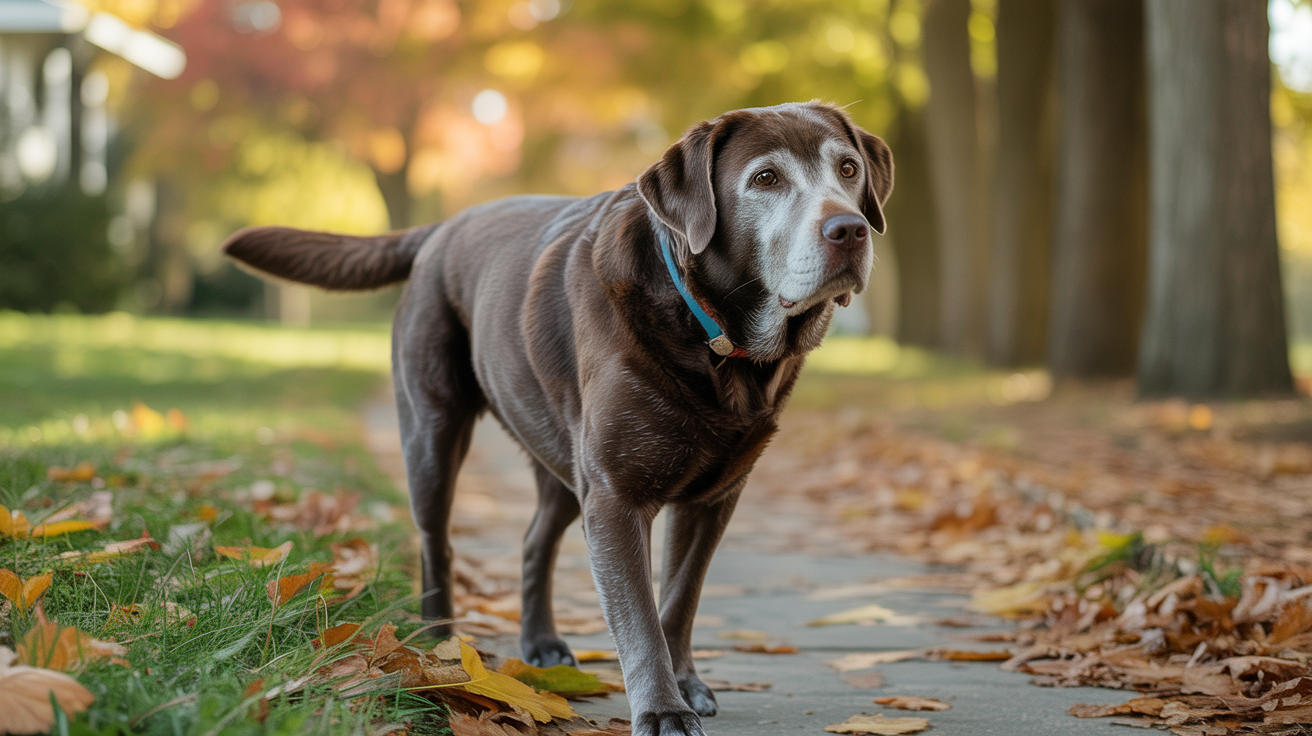
Senior dogs benefit from shorter, more frequent walks that maintain mobility without overtaxing aging joints.
Senior Dogs (7+ Years): Quality Over Quantity
Senior dogs still need daily exercise-in fact, the American Animal Hospital Association (AAHA) Senior Care Guidelines emphasize that continued movement is critical for maintaining muscle mass, joint flexibility, and cognitive function in aging dogs.
However, senior exercise should be modified:
- Shorter duration: Two or three 15-20 minute walks often work better than one long walk
- Lower intensity: Gentle walking rather than running or vigorous play
- Consistent schedule: Same times daily to maintain routine
- Weather awareness: Seniors are more sensitive to heat and cold
- Surface consideration: Softer surfaces like grass are easier on arthritic joints than concrete
Signs Your Dog Isn't Getting Enough Exercise
How do you know if your current routine isn't meeting your dog's needs? The ASPCA identifies these behavioral red flags:
- Destructive chewing: Destroying furniture, shoes, or household items
- Excessive barking: Particularly when left alone or in response to minor stimuli
- Hyperactivity: Can't settle down, constantly pacing or jumping
- Weight gain: Gradual increase despite consistent feeding
- Attention-seeking: Constantly demanding interaction, nudging, or whining
- Escape attempts: Trying to bolt through doors or dig under fences
- Rough play escalation: Play that becomes too intense or aggressive
Signs Your Dog Is Getting Too Much Exercise
Over-exercise is equally problematic, particularly for puppies, seniors, and certain breeds. The American College of Veterinary Surgeons notes that excessive exercise is a contributing factor in many orthopedic injuries. Watch for:
- Excessive panting: Beyond what's normal for the activity level and temperature
- Lagging behind: Slowing down or stopping during walks
- Limping: Any change in gait, even if subtle
- Stiffness: Particularly after rest following exercise
- Reluctance to continue: Sitting down, lying down, or refusing to move
- Excessive thirst: Drinking far more than usual after exercise
- Sore paw pads: Raw, cracked, or bleeding foot pads
Creating the Ideal Walking Schedule
Based on veterinary recommendations and our 22 years of professional dog walking experience, here's what an ideal daily exercise routine looks like for most adult dogs:
The Three-Walk Day
- Morning Walk (15-30 minutes): Before you leave for work. This addresses overnight energy buildup and provides a bathroom break.
- Midday Walk (30-45 minutes): The longest walk of the day, ideally with a professional walker. This breaks up the long stretch while you're at work and provides the bulk of daily exercise.
- Evening Walk (15-30 minutes): After you return home. This provides another bathroom break and quality time with you.
This schedule provides 60-105 minutes of walking daily-appropriate for most moderate-energy adult dogs. High-energy breeds may need longer midday walks or additional play time.
✅ Why Midday Walks Matter Most
Research from the Journal of Veterinary Behavior shows that dogs left alone for more than 4-6 hours without a break are significantly more likely to develop separation anxiety and destructive behaviors. A midday walk with a salaried W-2 professional isn't a luxury-it's a critical intervention that breaks up isolation and provides exercise during the longest stretch of the day.
Quality Matters as Much as Quantity
According to the AKC, a slow, sniff-heavy "decompression walk" can be more mentally satisfying than a fast-paced march covering twice the distance. Our salaried W-2 team members are trained to read each dog's needs-some dogs need to move fast and burn energy, while others need time to explore and process their environment through scent.
Special Considerations for Connecticut Weather
Living in Fairfield County means dealing with weather extremes that affect walking schedules:
Summer Heat
- Walk before 9 AM or after 6 PM to avoid peak heat
- Test pavement with your hand-if it's too hot for your palm, it's too hot for paw pads
- Carry water on every walk
- Watch for heat exhaustion signs: excessive panting, drooling, stumbling
Winter Cold
- Short-coated and small dogs may need jackets below 40°F
- Wipe paws after every walk to remove salt and ice melt chemicals
- Consider booties for dogs sensitive to cold pavement
- Shorter, more frequent walks may be better than one long cold exposure
How 203 Pet Service Ensures Proper Exercise
When you hire 203 Pet Service, you're not getting a random gig worker who shows up with a phone app. Our salaried W-2 team members are trained professionals who:
- Assess each dog individually: We evaluate breed, age, health status, and energy level to customize walk duration and pace
- Maintain consistency: The same walker comes to your home at the same time-your dog knows who to expect
- Track everything: GPS-verified walks, timestamps, photos, and detailed notes after every visit
- Communicate observations: If we notice changes in energy, mobility, or behavior, we tell you immediately
- Adjust as needed: Puppy aging out of the 5-minute rule? Senior slowing down? We modify the routine automatically
🎯 The 203 Pet Service Difference
Unlike gig platforms where any available stranger might show up, our salaried W-2 team members are actual employees with training, background checks, and accountability. They're not rushing through your walk to get to the next gig-they're focused on giving your dog exactly what they need, every single day.
Frequently Asked Questions
Can I just let my dog run in the backyard instead of walking?
Backyard time is valuable, but it doesn't replace walking. According to Applied Animal Behaviour Science, dogs with backyard access but no regular walks showed similar behavioral problems to dogs with no outdoor access at all. Walking provides mental stimulation, socialization, and varied scents that backyards simply can't offer.
My dog is overweight-should I increase exercise dramatically?
No. The AAHA Weight Management Guidelines recommend gradual increases in exercise combined with dietary changes. Sudden dramatic increases in exercise can cause injury, particularly in overweight dogs whose joints are already stressed. Start with adding 5-10 minutes to daily walks and increase slowly.
My small dog doesn't seem interested in long walks. Is that okay?
It depends. Small dogs have shorter legs and cover more ground relative to their size-a 30-minute walk for a Chihuahua is equivalent to a much longer walk for a Lab. However, if your small dog seems reluctant to walk at all, consult your vet to rule out pain or health issues.
Should I walk my dog every day, even if the weather is bad?
Most dogs benefit from daily walks regardless of weather, with appropriate protection (coats for cold, paw wax for salt, avoiding extreme heat). However, extreme conditions (ice storms, dangerous heat) justify skipping walks in favor of indoor play and mental stimulation.
The Bottom Line: Every Dog Deserves the Right Amount
There's no universal answer to "how often should I walk my dog"-but there is a right answer for your dog. By understanding your dog's breed requirements, age-related needs, and individual temperament, you can create an exercise routine that promotes physical health, mental wellbeing, and good behavior.
If your schedule doesn't allow for adequate daily exercise-and for most working Fairfield County families, it doesn't-professional dog walking isn't a luxury. It's an investment in your dog's health and your household's peace.
Ready to give your dog the exercise they deserve? Our salaried W-2 team members at 203 Pet Service have been providing professional, consistent, caring dog walks across Fairfield County for 22 years. Call us at (203) 682-6443 or schedule a meet and greet to discuss your dog's specific needs.