
It happens more often than you'd think: A professional dog walker arrives at a client's home and immediately notices something isn't right. Maybe the dog didn't greet them at the door like usual. Maybe they're moving stiffly, or there's vomit on the floor, or the dog's belly looks distended. In that moment, the difference between a trained professional and a casual pet-sitter can mean the difference between life and death.
At 203 Pet Service, our salaried W-2 team members have caught dozens of emergencies over 22 years-from bloat cases that required immediate surgery to diabetic episodes, seizures, and ingestions of toxic substances. This comprehensive guide explains how professional pet care providers spot problems early, what our emergency protocols look like, and how you can set up your own household for the best possible outcomes.
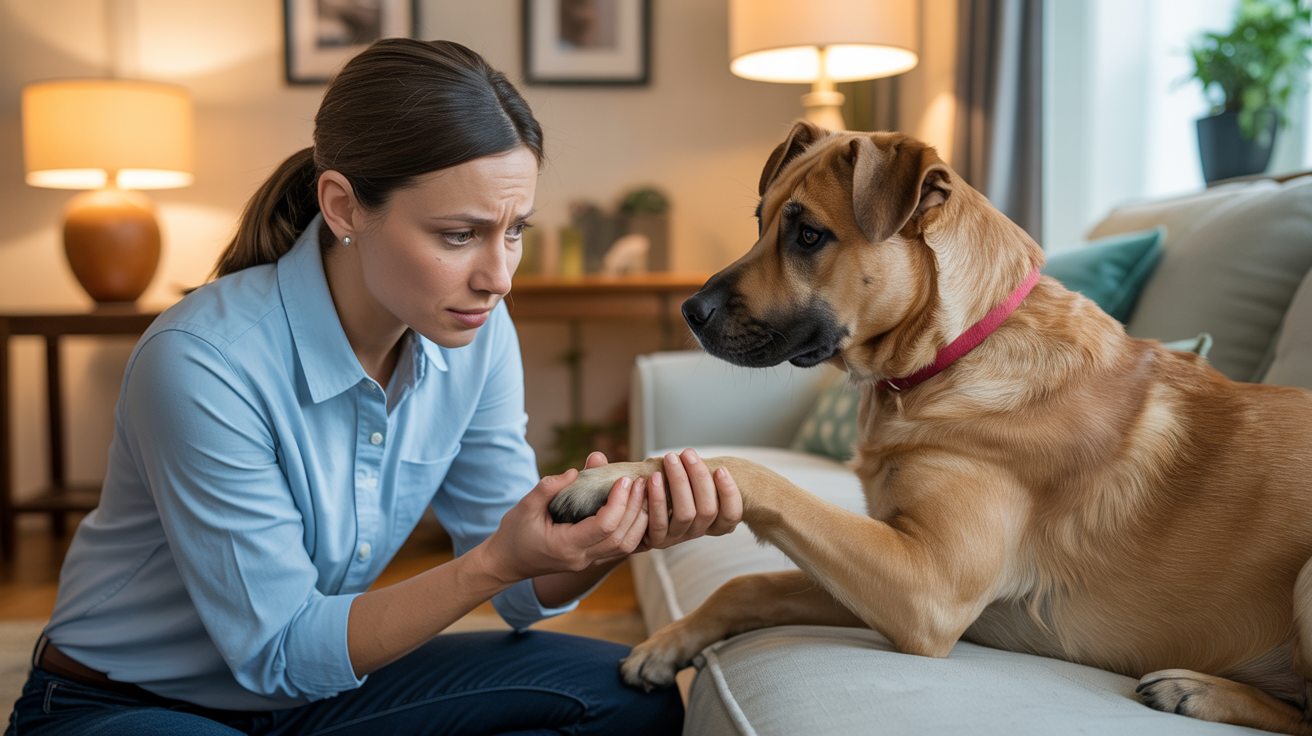
Trained pet care professionals know how to assess dogs quickly and recognize when something requires immediate attention.

Why Professional Dog Walkers Spot Problems First
You love your dog more than anyone. So why would a dog walker notice a health problem before you do? The answer lies in a psychological phenomenon called "change blindness"-and it's not a character flaw. It's simply how human perception works.
The Fresh Eyes Advantage
According to research published in Trends in Cognitive Sciences, humans are surprisingly poor at detecting gradual changes in familiar environments-including gradual changes in loved ones. When you see your dog every day, a slow decline in energy, a gradual weight loss, or a developing limp can go unnoticed because each day looks almost identical to the day before.
A professional who visits regularly but not constantly has the advantage of comparison across time gaps. They remember how your dog greeted them last Tuesday and can immediately recognize when today's greeting is different.
Baseline Knowledge
Our salaried W-2 team members are trained to establish a baseline for each dog during their first visits:
- Normal energy level and greeting behavior
- Typical walking pace and enthusiasm
- Usual bathroom habits (frequency, appearance)
- Normal eating and drinking patterns
- Regular gait and movement patterns
- Baseline weight and body condition
With this baseline documented, any deviation becomes immediately apparent. The American Veterinary Medical Association (AVMA) emphasizes that early detection of health changes dramatically improves treatment outcomes for most conditions.
💡 Real Case Study
In 2023, one of our salaried W-2 team members arrived at a regular client's home and noticed their Golden Retriever was restless and trying to vomit without producing anything. She immediately recognized the signs of potential bloat-a life-threatening emergency-and called the owner while preparing to transport to the emergency vet. Surgery was performed within two hours. The veterinarian said another hour's delay would likely have been fatal.
What Trained Pet Professionals Watch For
Our emergency detection training is based on guidelines from the American Animal Hospital Association (AAHA), the ASPCA Animal Poison Control Center, and consultation with local emergency veterinary hospitals. Here's what we train our team to recognize:
Level 1: Observation Triggers (Document and Monitor)
These signs warrant documentation and owner notification, but typically don't require immediate action:
- Mild decrease in energy or enthusiasm
- Slight changes in appetite (ate slower, left some food)
- Minor limping that resolves during the walk
- Soft stool (not diarrhea)
- Drinking slightly more or less than usual
- Scratching or licking one area repeatedly
- Small wound or abrasion noticed

Clear communication protocols ensure owners are immediately informed of any concerns.
Level 2: Concern Triggers (Immediate Owner Contact)
These signs require immediate phone contact with the owner and often a same-day vet visit:
- Vomiting (especially multiple times or with blood)
- Diarrhea (especially bloody or very watery)
- Persistent limping or reluctance to bear weight
- Significant lethargy or depression
- Complete loss of appetite
- Excessive drinking or urination
- Coughing, sneezing, or nasal discharge
- Swelling anywhere on the body
- Evidence of injury or trauma
- Behavioral changes (unusual aggression, hiding, confusion)
Level 3: Emergency Triggers (Immediate Action Required)
According to the VCA Hospitals emergency guide, these signs require immediate veterinary intervention-minutes matter:
🚨 Life-Threatening Emergencies
- Difficulty breathing: Gasping, blue gums, extended neck
- Bloat signs: Distended abdomen, unproductive retching, restlessness, drooling
- Collapse or unconsciousness: Unable to stand or unresponsive
- Seizures: Convulsions lasting more than 2 minutes or multiple seizures
- Severe bleeding: Won't stop with pressure
- Poisoning: Known ingestion of toxic substance, excessive drooling, tremors
- Heatstroke: Excessive panting, bright red gums, collapse
- Inability to urinate: Straining repeatedly without producing urine (especially male dogs)
Professional Emergency Response Protocols
What happens when one of our salaried W-2 team members encounters an emergency? Here's our protocol, developed over 22 years and refined with input from veterinary professionals:
Immediate Assessment (30 seconds)
- Evaluate consciousness and responsiveness
- Check breathing (rate, effort, sounds)
- Look at gum color (should be pink, not white, blue, or bright red)
- Assess for obvious injury or bleeding
- Determine mobility status
Simultaneous Actions
- Call owner: While assessing, we're already dialing. If no answer within 30 seconds, we call the emergency backup contact.
- Document: Photos and video of symptoms for the veterinarian
- Prepare for transport: If pre-authorized, we move toward the vehicle while maintaining contact
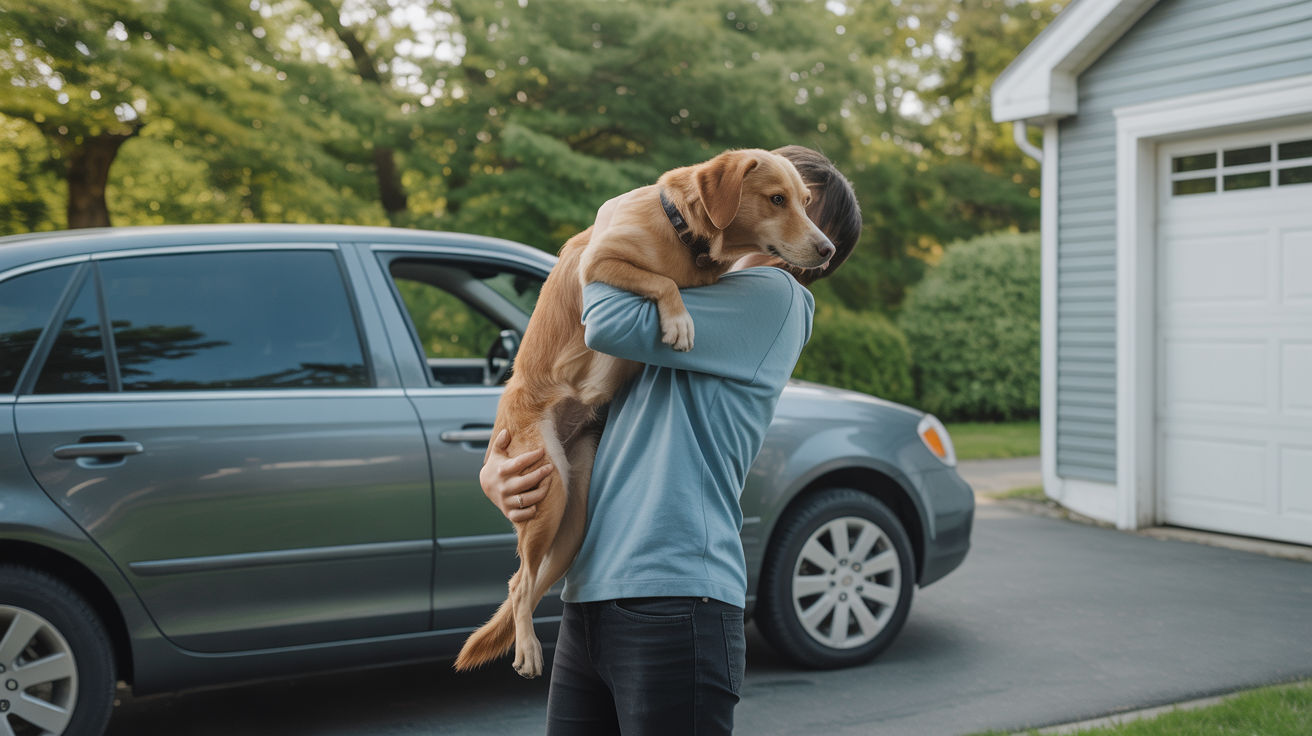
When authorized, our team can transport pets directly to emergency veterinary care.
Transport Decision Tree
Our response depends on what authorizations you've given us:
- If owner is reached: Follow their instructions, provide real-time updates
- If owner unreachable + emergency transport authorized: Transport immediately to designated emergency vet while continuing to try contact
- If owner unreachable + no transport authorization: Provide supportive care, continue attempting contact, contact emergency backup
✅ Why Pre-Authorization Matters
According to the ASPCA, having emergency plans in place before an emergency occurs dramatically improves outcomes. With 203 Pet Service, you can pre-authorize emergency veterinary transport and even set spending limits for initial emergency treatment, ensuring we can act immediately when seconds count.
Setting Up Your Household for Emergency Success
The best emergency response starts with preparation. Here's what we recommend establishing before an emergency happens:
Emergency Contact Hierarchy
- Primary owner: Cell phone + work phone
- Secondary owner/spouse: Cell phone + work phone
- Local emergency contact: Someone who can make decisions if owners are unreachable
- Veterinarian: Regular vet + after-hours emergency vet
Pre-Authorized Decisions
Make these decisions NOW, not during a crisis:
- Emergency transport authorization: Can we take your pet to the vet if we can't reach you?
- Spending limit: What's the maximum you authorize for initial emergency treatment without direct approval?
- Preferred emergency vet: Which emergency hospital should we use?
- DNR status: For senior or ill pets, what are your wishes regarding resuscitation?
Fairfield County Emergency Veterinary Resources
Know where to go before you need to:
🏥 24/7 Emergency Veterinary Care
- MedVet Norwalk - 594 Main Ave, Norwalk, CT - (203) 854-9960
Board-certified emergency specialists, our top recommendation - VCA Shoreline Veterinary Referral & Emergency Center - 895 Bridgeport Ave, Shelton, CT - (203) 929-8600
24/7 emergency and specialty care - VCA Norwalk Animal Hospital - 661 Main Ave, Norwalk, CT - (203) 838-3566
Limited emergency hours - Greenfield Animal Hospital - 40 Hillside Road, Fairfield, CT - (203) 254-0700
Emergency services during business hours
Information to Have Ready
Post this information where your pet sitter can find it:
- Your pet's full medical history (or your regular vet's contact info)
- Current medications and dosages
- Known allergies
- Microchip number
- Pet insurance information (if applicable)
- Copy of rabies certificate
Why Professional Pet Care Makes a Difference
The difference between professional pet care and casual arrangements becomes starkly apparent in emergencies. Consider these scenarios:
Scenario 1: Bloat
Gig worker: Arrives, notices dog seems uncomfortable, sends a text photo: "Max seems a little off today." Continues with abbreviated walk. Hours pass before owner sees the message.
203 Pet Service professional: Arrives, recognizes distended abdomen and unproductive retching as potential bloat. Calls owner immediately while preparing for transport. Dog is in surgery within 2 hours.
Scenario 2: Toxin Ingestion
Neighbor watching dog: Notices dog ate something from the trash. Cleans up the mess. Mentions it when owner returns that evening: "Oh, he got into the garbage, but he seems fine now."
203 Pet Service professional: Discovers evidence of ingestion, immediately photographs the substance, calls owner, and contacts ASPCA Poison Control. Dog receives treatment before symptoms become severe.
Scenario 3: Diabetic Episode
App-based walker: Dog seems wobbly and confused. Walker assumes dog is tired, shortens walk, leaves water. No follow-up.
203 Pet Service professional: Recognizes signs of potential hypoglycemia in a known diabetic dog. Administers honey as trained, calls owner, monitors until symptoms improve or transport is authorized.
⚡ The Training Difference
Our salaried W-2 team members receive annual emergency response training, including recognition of common emergencies, first aid basics, and communication protocols. This isn't something you can get from a gig platform that connects random strangers with pets.
Common Emergencies and Warning Signs by Season
Certain emergencies are more common at different times of year. Here's what our team watches for throughout the seasons:
Winter
- Antifreeze poisoning: Sweet taste attracts dogs; even small amounts are lethal
- Hypothermia: Especially in small, elderly, or thin-coated dogs
- Salt/ice melt toxicity: From licking paws after walks
- Frostbite: On ears, tail, and paw pads
Spring
- Toxic plant ingestion: Lilies (for cats), tulip bulbs, daffodils
- Fertilizer/pesticide exposure: From treated lawns
- Allergic reactions: Seasonal allergies can cause severe reactions
Summer
- Heatstroke: The #1 summer emergency
- Paw pad burns: From hot pavement
- Bee stings and insect bites: Can cause anaphylaxis
- Water intoxication: From excessive drinking or swimming
Fall
- Mushroom poisoning: Wild mushrooms appear after rain
- Rodenticide exposure: As people treat homes for mice
- Chocolate toxicity: Halloween candy accessibility
Frequently Asked Questions
What if my dog is fine when the walker arrives but has an emergency during the walk?
Our salaried W-2 team members carry phones with emergency contacts and GPS at all times. If an emergency occurs during a walk, they can call for help, contact you, and navigate to the nearest veterinary facility immediately. We also train our team in on-walk first aid for common emergencies.
Will you take my dog to any vet, or only the one I specify?
We follow your instructions. If you've designated a specific emergency vet, we'll go there. If you haven't specified or if your designated vet isn't the closest option in a true emergency, we'll use our best judgment to get your pet care as quickly as possible while keeping you informed.
What if I don't authorize emergency transport?
We respect your decision and will provide whatever supportive care we can while attempting to reach you or your emergency contacts. However, we strongly encourage pre-authorization-the few minutes saved by skipping the "do I have permission?" call can make a critical difference in emergencies like bloat, toxin ingestion, or heatstroke.
How do I know your team is actually trained in emergency recognition?
All 203 Pet Service salaried W-2 team members complete our emergency response training before walking any clients' dogs. This includes recognition of common emergencies, basic first aid, communication protocols, and familiarization with local emergency veterinary resources. We also conduct annual refresher training.
The Bottom Line: Professional Care Saves Lives
When an emergency strikes, you want someone with your pet who knows what to look for, knows how to respond, and has the authorization to act quickly. The difference between a trained professional and a casual arrangement can literally be the difference between life and death.
For 22 years, our salaried W-2 team members at 203 Pet Service have been the trusted eyes and ears for hundreds of Fairfield County families. We've caught emergencies, transported pets to life-saving care, and provided peace of mind that comes from knowing a trained professional is watching over your pet.
Ready to give your pet the protection of professional care? Call us at (203) 682-6443 or schedule a meet and greet to discuss your pet's needs and set up emergency protocols.