
Your dog has food, water, walks, and plenty of love. So why are they chewing your furniture, barking constantly, or acting restless? The answer might be mental boredom. Dogs need brain exercise just as much as physical exercise - and many behavior problems stem from understimulation.

As an ABC-certified dog trainer with 29 years in pet care, I've seen countless dogs whose "behavior problems" disappeared once they got proper mental enrichment. Here are the 5 signs your dog needs more mental stimulation - and what you can do about it.

Sign 1: Destructive Chewing
More Than Just "Being Bad"
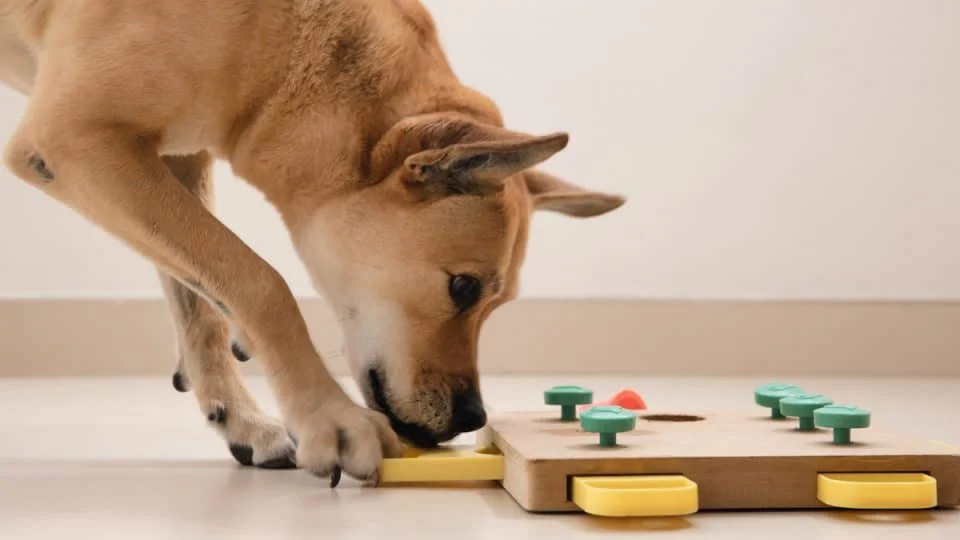
Puzzle toys redirect chewing energy into mental exercise
Chewing is a natural stress reliever for dogs. According to the American Kennel Club, when a dog consistently destroys shoes, furniture, or household items despite having chew toys available, it's often a sign of mental boredom.
What you'll see:
- Destroyed shoes, pillows, or furniture
- Chewed door frames or molding
- Torn-up items even when toys are available
- Destruction that happens when you're away
What it means: Your dog's brain is looking for something to do. Chewing releases feel-good chemicals, so an understimulated dog will find things to chew.
Sign 2: Excessive Barking or Whining
Your Dog Is Trying to Tell You Something
Some breeds are naturally vocal, but excessive, persistent barking - especially when it seems directed at nothing - often indicates boredom.
What you'll see:
- Barking at walls, windows, or "nothing"
- Whining or vocalizing throughout the day
- Barking that stops briefly when acknowledged but resumes
- Demand barking for attention
What it means: Your dog is seeking stimulation, interaction, or anything to break the monotony. Barking creates engagement - even negative attention is attention.
Sign 3: Hyperactivity and Inability to Settle
The "Crazy" Dog Syndrome
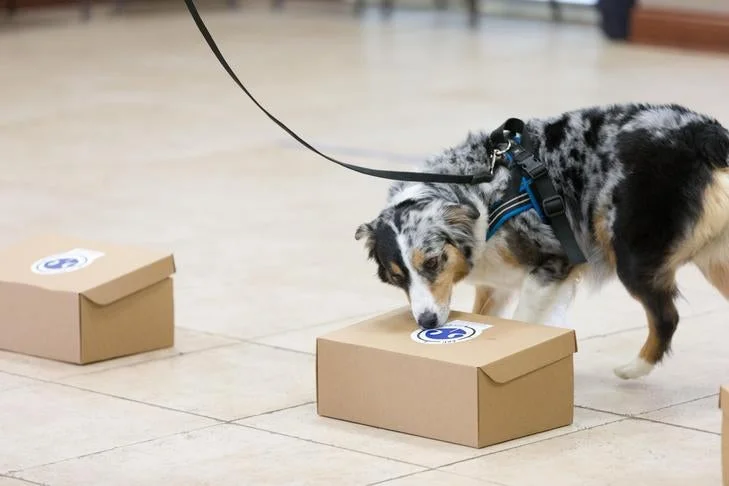
Nose work games can tire out even the most energetic dogs
Does your dog pace constantly, seem unable to relax, or have "the zoomies" at random times? This constant state of arousal often stems from unmet mental needs.
What you'll see:
- Pacing or restlessness
- Inability to settle even after physical exercise
- Random bursts of frantic energy
- Jumping, spinning, or constant movement
- Getting into trouble immediately after returning from a walk
What it means: Physical exercise alone isn't enough. Your dog's brain is still "on" even when their body is tired. Mental exercise creates the calm that physical exercise alone can't provide.
💡 Trainer's Tip
Research from Applied Animal Behaviour Science shows that 15 minutes of mental exercise can tire a dog as much as 45 minutes of walking. Sniff walks, puzzle toys, and training sessions work the brain and create lasting calm.
Sign 4: Attention-Seeking Behaviors
Doing "Naughty" Things on Purpose
Some dogs learn that certain behaviors get reactions. If your dog seems to deliberately do things they know are wrong while watching for your response, boredom may be the cause.
What you'll see:
- Stealing items and running away (the "chase game")
- Counter-surfing or getting into trash
- Nudging, pawing, or pestering constantly
- Bringing toys repeatedly even after you've played
- "Testing" boundaries they normally respect
What it means: Any attention - even "no!" or chasing - is rewarding. An understimulated dog will create games and interactions because their need for engagement isn't being met.
Sign 5: Digging and Escape Attempts
Looking for Something to Do

Indoor mental games prevent boredom-related behavior problems
Digging in the yard or trying to escape the house/yard often indicates a dog looking for stimulation elsewhere.
What you'll see:
- Holes in the yard (not heat-related)
- Scratching at doors or fences
- Attempting to escape when doors open
- Fence-jumping or gate-testing
What it means: Your dog believes the stimulation they need is "out there" somewhere. Their environment isn't providing enough mental engagement.
Solutions: How to Provide Mental Stimulation
Easy Ways to Engage Your Dog's Brain
1. Puzzle Toys and Food Dispensers
- Kong toys stuffed with treats or peanut butter
- Snuffle mats for meal times
- Puzzle feeders instead of regular bowls
- Lick mats with spreadable treats
2. Nose Work and Scent Games
- "Find it" games with treats hidden around the house
- Sniff walks where your dog leads
- Hide-and-seek with family members
- Muffin tin games with tennis balls covering treats

Snuffle mats turn mealtime into mental exercise
3. Training Sessions
- Teach new tricks (even silly ones)
- Practice obedience commands with increasing difficulty
- Work on impulse control exercises
- Shape new behaviors with clicker/marker training
4. Professional Dog Walking
A professional dog walking service provides both physical and mental stimulation. Our salaried W-2 employees at 203 Pet Service are trained to make walks enriching - not just quick potty breaks.
✅ Our Walks Include Mental Engagement
Every walk from 203 Pet Service includes sniff time, varied routes, and interaction - not just a rushed lap around the block. We understand that dogs need brain exercise too. Learn more about quality vs. quantity in dog walks.
FAQ: Dog Mental Stimulation
How much mental stimulation does my dog need?
Most dogs benefit from 15-30 minutes of dedicated mental exercise daily, in addition to physical exercise. High-energy and working breeds may need more. Signs of adequate stimulation: your dog can settle calmly, shows little destructive behavior, and sleeps well.
Can walks provide mental stimulation?
Yes - if done right. A "sniff walk" where your dog leads and investigates scents is mentally enriching. A rushed, straight-line walk is mostly physical. Professional walkers from companies with salaried W-2 employees know how to make walks mentally engaging.
My dog gets plenty of exercise but is still destructive. Why?
Physical exercise alone isn't enough. A tired body doesn't guarantee a tired brain. Add mental challenges like puzzle toys, training, or nose work to address the behavior.
What breeds need the most mental stimulation?
Working and herding breeds (Border Collies, Australian Shepherds, Belgian Malinois), retrievers, and terriers typically need more mental engagement. But every dog benefits from brain exercise.
Professional Help for Understimulated Dogs
If your dog shows signs of mental boredom, professional pet care can help. 203 Pet Service offers enriching dog walks and backyard play sessions that engage your dog's brain as well as their body.
Our salaried W-2 employees are trained to recognize signs of boredom and provide meaningful engagement - not just quick potty breaks. We serve Westport, Fairfield, Easton, and Stratford.
For dogs with significant behavior issues, ask about our training services led by ABC-certified trainer Jason Hofmann.
Ready to give your dog the mental stimulation they need? Call (203) 682-6443 or schedule a consultation today.